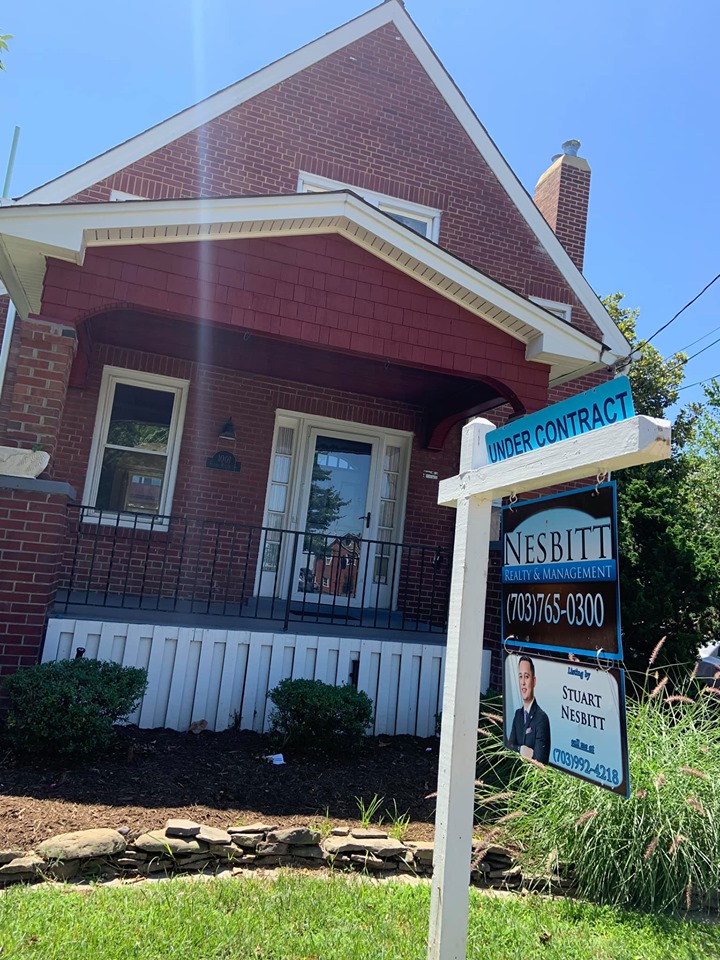
With memories of snow and cold fading, it’s time to remind home owners to take stock of important work to be done for themselves and potential buyers down the road. Keeping on track with seasonal maintenance will lower costs and raise value.
Besides cleaning closets and planting flowers and cool-weather vegetables, spring should involve scrutinizing the condition of a house following the rough winter. Repairs and replacements won’t just help owners enjoy their properties more; they’ll also keep energy costs down as hot weather rolls in and attract more buyers, many of whom have become meticulous about inspecting roofs, appliances, and HVAC bills.
Old Town is in bloom
While most home owners need to prioritize costs, these 10 improvements are at the top of many contractors’ lists. Some of them are even more affordable than ever before, thanks to rebates from local communities, utility companies, and the federal government.
1. Replace windows
If home owners’ houses felt drafty this past winter and they have single-pane windows, there’s a good chance those were one of the culprits. But replacing them all can be costly — $400 to $500 per window, plus $100 to $150 for installation, according to home improvement expert Tom Kraeutler of The Money Pit. Whether that’s the place to spend dollars should depend on how long home owners plan to stay put or what houses listed in their neighborhood offer if they’re selling. “If they’re the last ones with old, rotting-wood windows, that negative may affect buyer attention,” Kraeutler says. This year’s “Cost vs. Value” report from Remodeling magazine pegs the payback for vinyl windows at 71.2 percent and for wood windows at a similar 73.3 percent. A less costly alternative can be to add storms, caulk, weather strip, or rim joists in a basement. Contractor Paul Eric Morse of Morse Constructions Inc. in Somerville, Mass., suggests gradually replacing windows in any room that owners remodel to make the cost less prohibitive.
2. Install a new heating system and change filters
If a seller’s furnace and boiler were on their last legs this past winter, it may be time to install a new one, or at least provide sellers with a credit toward new equipment. Any choice should carry an EnergyStar label for best results. Existing systems still in good condition should have filters checked monthly and replaced when dark and clogged, a DIY project. For great energy efficiency, Morse is installing more heat exchanges that provide both heat and air conditioning and can be less costly than a new central air system with new ducting and a new furnace.
3. Clean air conditioning units
Before summer temperatures rise and HVAC pros are swamped, advise home owners to clean coils and change filters so their system doesn’t have to work as hard. They should also have drain lines cleaned, so moisture is eliminated, says Douglas Tompkins, with Pro-Air Heating and Cooling in Newburgh, N.Y. If they haven’t had air conditioning, now’s the time to weigh choices of a central system, heat exchange, or room units.
4. Install more insulation
A home’s first line of defense to stop cold or hot air — depending on the season — should be the attic, according to most contractors. An energy audit can determine how much more is needed, if they already have some. Seattle-based contractor Ron Rice, of Your House Matters, suggests adding more than the minimum 8 inches required by most local codes — up to 16 inches. For cold climates, installing electric or hydronic radiant heat under bathroom and kitchen floors will provide comfort next season.
5. Switch out inefficient appliances
Sometimes appliances are no longer smart to repair. The determining factors for that should be their age and the cost of repair versus replacement. Here, too, top choices carry an EnergyStar label. If home owners need to replace most of their kitchen equipment and have a limited budget or plan to move, Rice suggests they prioritize and first switch out the range, followed by the refrigerator, dishwasher, and microwave — in that order.
6. Repair or replace roofs, gutters, and downspouts
Because of the tough hurricane season last fall and the winter blizzards, roofing contractors in many parts of the country have been busy. Morse recommends that those needing new roofs consider architectural asphalt shingles because of their long warranties (often 50 years), affordable prices, and attractive appearances that work with many house styles. In addition, many contractors have the equipment and experience to install roofs of this material, as opposed to metal. He also recommends that home owners have gutters and downspouts cleaned come spring so that water can flow through them; gutters should be angled away from a house to stop water pooling around a foundation and seeping into the basement. Gutter covers can be helpful but often don’t eliminate all debris.
7. Paint
Damage often shows up at this time of year, especially in climates where there’s been a lot of snow melting or winter rains, Morse says. Use the time to reassess your color choice for better curb appeal. Even changing the front door’s color can make a difference.
8. Prune trees
Cutting limbs that may have been damaged during winter and that might fall on a roof or allow squirrels to enter a house is smart, and it can be a cost savings later on. Called “thinning out,” this method gets excess foliage trimmed to allow more natural light into a house—and cut down on artificial illumination, says Sacramento, Calif.-based landscape designer Michael Glassman. “It opens the tree so you don’t have dead spots in the interior and lets the tree take advantage of air flow rather than chop off the top,” he says. A certified arborist will know the best ways to do this without removing too much of a canopy, which is useful for privacy and shade.
9. Mulch plantings
Along with fall, spring is a key mulch time. Mulch helps plants thrive by holding back weeds, retaining moisture so soil doesn’t dry out, and adding a tidy look, Glassman says. Use bark, shredded fir, leaves, straw, or grass clippings.
10. Replace lightbulbs
When it comes to artificial light, most contractors recommend switching burned-out bulbs to LEDs, which last longer than incandescents, consume less energy, and have come down in price — now often just $10. Quality has improved, too, and they’re dimmable and available in colors.
One more thing: Before you hire anybody to take on work, get a written estimate. Better to be safe than sorry.
April 2013 | By Barbara Ballinger
The U.S. Department of Housing and Urban Development (HUD) says that since so many details, especially financial ones, are involved in buying and selling a home, using a real estate agent is a good idea because that professional can be a guide throughout the process, making the entire process and experience so much easier.
The key to a successful and positive experience with a real estate transaction in {Location_Name} is finding the right professional to assist you. While a real estate agent can meet your needs, the services of a Realtor® in {Location_Name} will suite your needs even better.
What’s the Difference Between a Real Estate Agent and a Realtor?
Of the more than two million people who have earned real estate licenses, only a small percentage of them are Realtors. Realtors, who are members in good standing of the National Association of Realtors, their state association of Realtors, and a local real estate board, are held to high standards of ethical behavior and undergo continuing education annually to remain accredited.
All agents of Nesbitt Realty are Realtors!
What Does a Realtor Do?
Law requires Realtors to:
perform necessary and customary acts, in good faith and with reasonable care, to assist in the purchase or sale of real estate.
properly account for money or other property placed in his or her care.
disclose “adverse material facts” which are, or should be, within the agent’s knowledge.
Realtors can assist buyers in many ways. One such way is keeping buyers informed on all the latest listings, to which Realtors gain access as soon as they are listed on the market. Realtors will also be familiar with all the information you may want regarding the area of your potential home, which may include school quality, community safety, traffic volume and commute time, accessibility to shops and public transportation, and proximity of local parks and recreation. When a buyer is ready to purchase a home, Realtors can help you pre-qualify for a mortgage, weigh the pros and cons of the varying types of mortgages, and walk you through the complicated paperwork involved in real estate transactions.
Realtors can also assist sellers with listing and preparing to sell a home, screening potential buyers, and showing investors properties that suit their investing profiles.
Through efficient organization and coordination of meetings with potential buyers and sellers, Nesbitt Realty can quickly locate the perfect home for you or sell your home in the shortest time possible.