
Wizards And Capitals Making The Move To Northern Virginia :
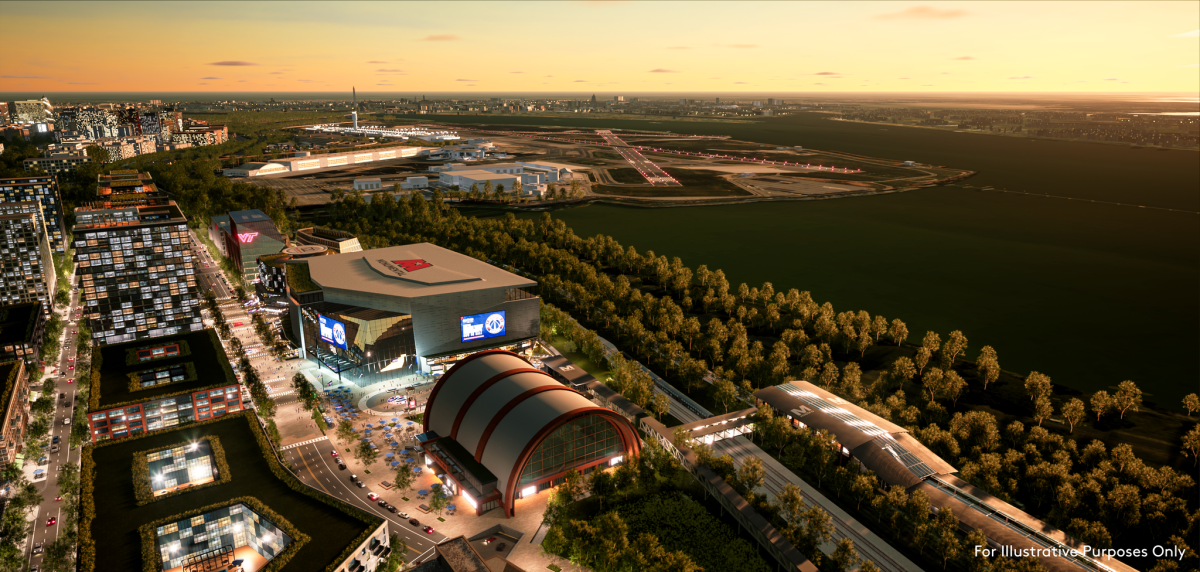
Virginia Governor Glenn Youngkin's recently announced plans to move the Washington Wizards and Washington Capitals from Washington D.C., to Alexandria, Virginia. This significant decision will involve constructing a new, state-of-the-art arena in Alexandria's Potomac Yard neighborhood, set to be the future home for these professional sports teams. The project is a collaboration between the Commonwealth of Virginia, the City of Alexandria, and the teams' ownership.
- Location and Funding: The proposed site for the new arena is in Potomac Yard, a rapidly developing area in Alexandria. The funding for this project will include a public-private partnership, with significant investment from the state of Virginia.
- Economic and Community Impact: The relocation is expected to boost the local economy, create jobs, and potentially lead to other development projects in the area. It's also anticipated to enhance the community's profile and bring more attention to Northern Virginia.
- Transportation and Accessibility: The site for the new arena is strategically chosen for its accessibility. It's near the Virginia Tech Innovation Campus and the future Potomac Yard Metro station, offering convenient transportation options for fans and visitors.
- Response and Views: The announcement has garnered mixed reactions. While some view it as a positive development for Alexandria and Northern Virginia, others express concerns about potential traffic congestion and the impact on local neighborhoods.
- Timeline and Development Phases: As of now, specific details regarding the timeline for the arena's construction and the relocation of the teams are not clear. The development process will likely involve several phases, including planning, securing approvals, and actual construction.
This move marks a significant shift in the sports landscape of the Washington, D.C. metropolitan area, with long-term implications for the teams, their fans, and the Northern Virginia community.
Stadium developments in urban areas have sparked ongoing debates regarding their impact on local neighborhoods. These projects often bring promises of economic growth, increased tourism, and job opportunities. However, they also carry the potential for negative effects, including gentrification, displacement, and financial burdens. Here's a brief report on how stadium developments have affected neighborhoods in various cities:
Positive Impacts
- Economic Growth: In cities like Denver and Indianapolis, new stadiums have acted as catalysts for economic development. They have attracted new businesses, boosted local tourism, and increased city revenues through taxes and spending at games and events.
- Revitalization: Stadiums like AT&T Park in San Francisco have been credited with revitalizing derelict or underused urban areas. They can transform these zones into vibrant community hubs, drawing visitors and fostering a sense of local pride.
- Job Creation: The construction and operation of new stadiums generate employment opportunities, both directly related to the stadium and in adjacent businesses such as restaurants, hotels, and retail outlets.
Negative Impacts
- Gentrification and Displacement: In cities like Atlanta and Chicago, stadium developments have led to increased property values and rents, often displacing long-term residents. This gentrification can erode the character and affordability of neighborhoods, making them less accessible to their original residents.
- Financial Burden: The public funding used for stadium construction often comes from taxpayer dollars. Cities like Glendale, AZ, have experienced financial strain due to the high costs of stadium projects, which can divert funds from essential public services.
- Traffic Congestion and Pollution: Stadiums can exacerbate traffic congestion and pollution in local neighborhoods, especially on game days. This can negatively impact the quality of life for residents and contribute to environmental issues.
Mixed Outcomes
- Community Cohesion vs. Fragmentation: While stadiums can be rallying points for community spirit, they can also lead to a sense of fragmentation, especially when local residents feel excluded from the decision-making process or do not benefit from the development.
- Short-Term vs. Long-Term Impacts: The initial economic boost from stadium construction can be significant, but long-term benefits are more variable and depend on continuous use and maintenance of the facilities.
 Tez Green, a knowledgeable real estate professional, is available to assist with viewing properties in Virginia . His expertise ensures you find the perfect home!
Conclusion
The impact of stadium developments on neighborhoods is complex and multifaceted. While they have the potential to bring economic and social benefits, careful planning and community engagement are crucial to ensuring that these projects do not adversely affect the local population, especially in terms of affordability and quality of life. Each city's experience varies, influenced by the specific context, planning strategies, and how well the development integrates with the existing urban fabric.
