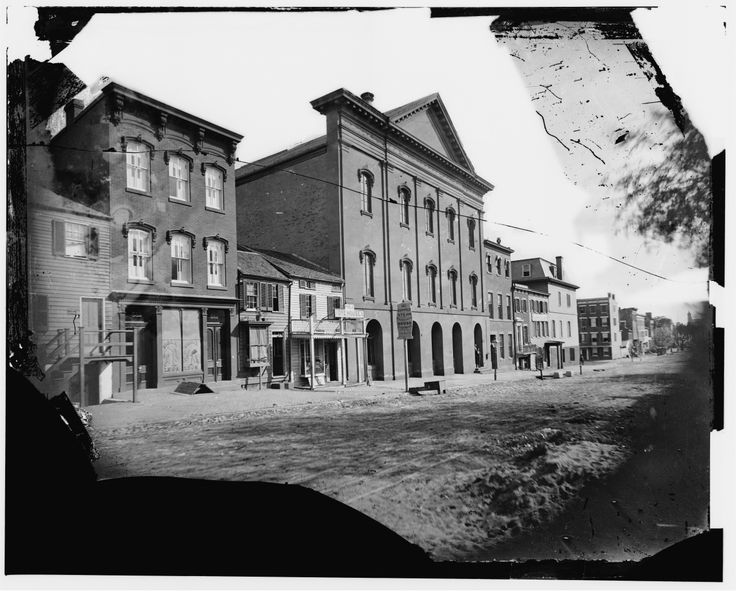
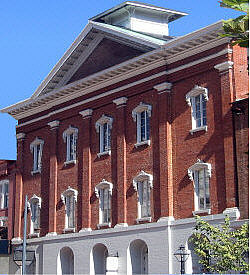
Ford’s Theatre is a national park dedicated to the legacy of President Abraham Lincoln, a working theatre, historical monument, world-class museum and learning center. In 1861 theatre manager John T. Ford leased out the abandoned First Baptist Church on Tenth Street to create Ford’s Theatre. Over the next few years, the venue became a popular stage for theatrical and musical productions. On April 14, 1865, Abraham Lincoln visited Ford’s for his twelfth time for a performance of Our American Cousin. At this performance, Lincoln was shot by John Wilkes Booth; he died the next morning in the Petersen House, a boarding house located across the street. Ford’s Theatre remained closed for more than 100 years.
Ford’s Theatre officially reopened in 1968 as a national historic site and working theatre. It is operated through a public-private partnership between Ford’s Theatre Society and the National Park Service. Through its inspiring theatrical productions, live historic interpretation and engaging education programs, Ford’s Theatre offers visitors the opportunity to immerse themselves in America’s past while revealing meaningful connections to today.
1870s Ford's Theatre
And a picture from today:
Ford's Theatre
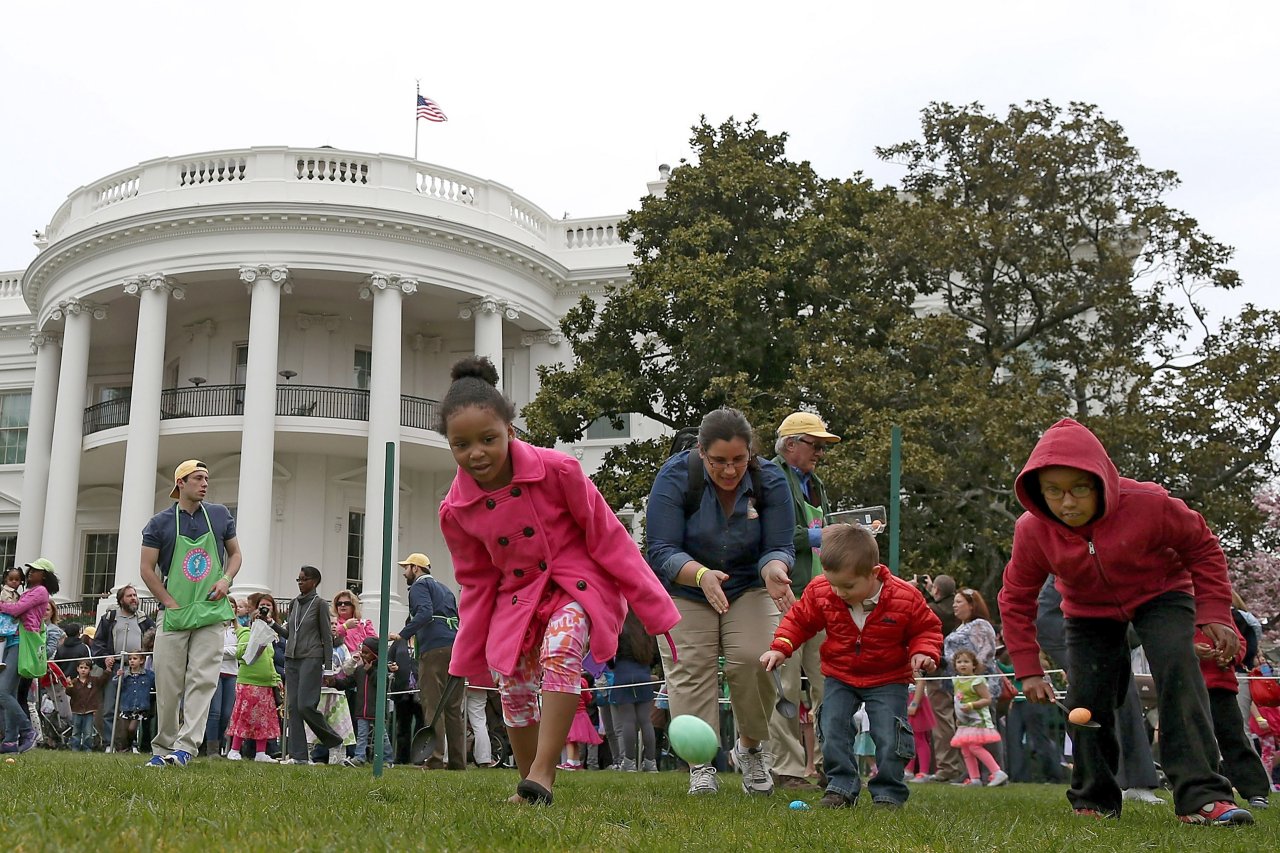
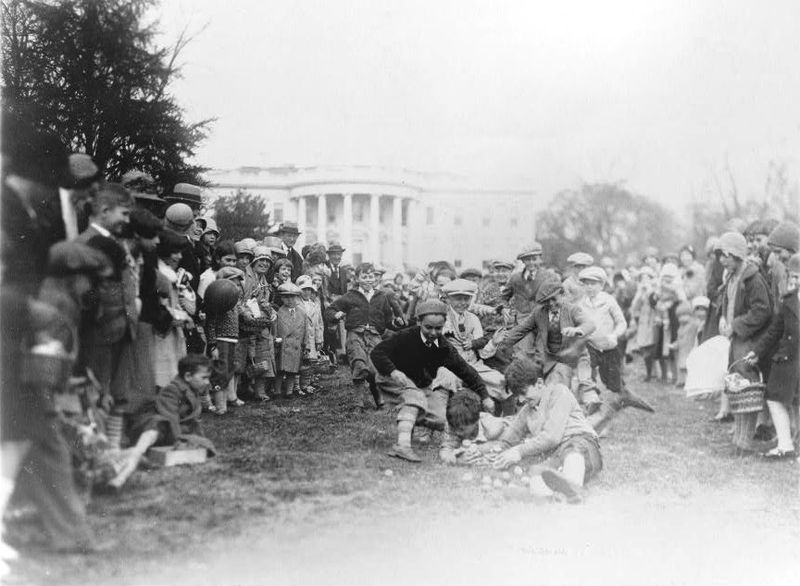
The egg roll on the White House lawn has become a local and national tradition. Compare these two images, one from 1929 the other from 2013.
Egg roll on the White House lawn, 2013Egg roll on the White House lawn, 1929
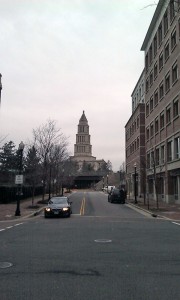
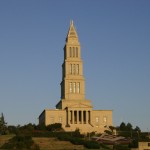
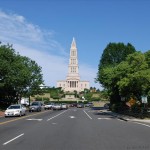
The George Washington National Masonic Memrial (often called the Masonic Temple) is well-known to residents and visitors alike owing to its prominent position atop Shuters Hill in Alexandria VA. It overlooks the King Street Metro staring down King Street the Potomac River. Because of it's position on the hill it is recognizable from miles around.
Sleigh-riding in Alexandria VA
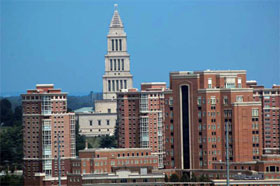
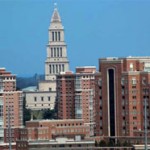
The George Washington National Masonic Memorial is Masonic lodge, an area landmark and a memorial to our first President. It is visible from almost all points in the Carlyle District.
The King Street Metro is near the Amtrak station
View of Carlyle District of Old Town Alexandria
But have you seen a picture of Alexandria before the memorial was completed?
view of Alexandria..before the masonic temple was completed
The Lincoln Memorial is located in Washington DC near Rosslyn. Today the reflecting pools and National Mall are a public park for tourists and residents alike. In 1917, Washington DC was still a sleep southern town. The waterfront was nearly a morass.
Lincoln Memorial in 1917Reflecting pools at the Lincoln Memorial
Laying the cornerstone at the George Washington Masonic Memorial in Alexandria VA
The George Washington National Masonic Memorial atop Shuter's Hill dominates the skyline of Alexandria VA and is recognizable from miles away. It towers above Old Town and overlooks the Carlyle area around the USPTO. Work was started on the Memorial in 1923, and you might be surprised who laid the cornerstone.
1923 - Chief Justice Wm. Howard Taft at the cornerstone laying of the Geo. Washington Memorial at Alex. Va.
The cornerstone was laid by former President, then Chief Justice William Howard Taft.
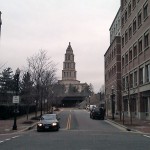
The George Washington National Masonic Memorial is a landmark in Alexandria. It's located on Shuters Hill at the end of King Street above the Amtrak Station and King Street Metro. The monument overlooks Old Town, Del Ray and Fairfax County and West End Alexandria.
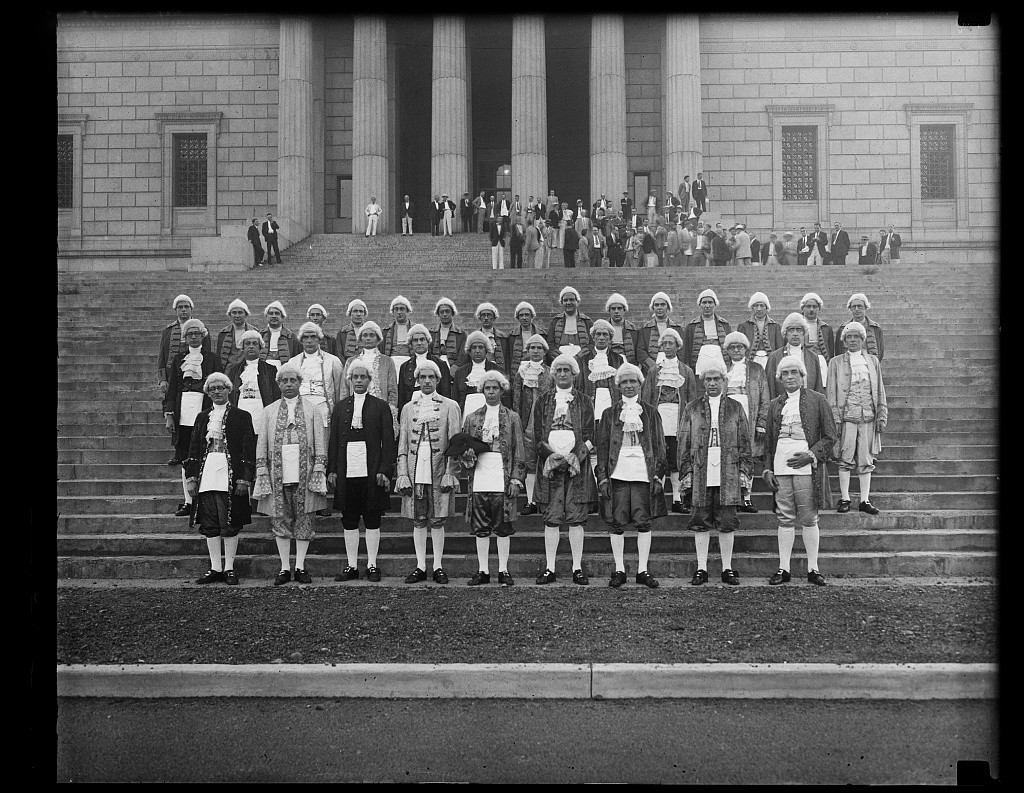
Group in colonial costume at George Washington Masonic National Memorial, Alexandria, Virginia 1932
George Washington National Masonic Memorial
The George Washington National Masonic Memorial is Masonic lodge, an area landmark and a memorial to our first President. It is visible from almost all points in the Carlyle District.
View of Carlyle District of Old Town Alexandria
George Washington Masonic Temple at sunset
George Washington Masonic Memorial
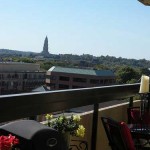
Westward view from Alexandria House — the Masonic Temple
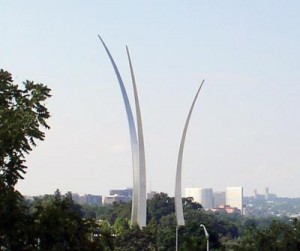
Air Force MemorialAir Force Memorial as seen from the Representative
The Air Force Memorial is sited on a promontory overlooking Washington D.C., Arlington VA and, between them, the Potomac River. The Memorial's spires measure 270 feet. These spires tower above the Pentagon, Rosslyn and Crystal City. The Memorial was formally dedicated on October 14, 2006. The Memorial remains dedicated to the United States Air Force service members and the Heritage Organizations of the USAF.
The design of the Memorial intends to evoke a modern image of flight by jet and space vehicles, but yet remembers the pioneers of flight who came before. The three spires of the Monument represent the three core values of the US Air Force: Integrity first, Service before self, and Excellence in all we do. It is interesting to note that the spires are different heights and asymmetrical giving the Memorial a dynamic quality that offers different views from every angle. Although the Air Force Memorial is visible all over town, one of the best views is from Arlington Ridge. At the end of Arlington Ridge Road, the Representative overlooks much of the samevistas as the Memorial.