The Lincoln Memorial is located in Washington DC near Rosslyn. Today the reflecting pools and National Mall are a public park for tourists and residents alike. In 1917, Washington DC was still a sleep southern town. The waterfront was nearly a morass.
Lincoln Memorial in 1917Reflecting pools at the Lincoln Memorial
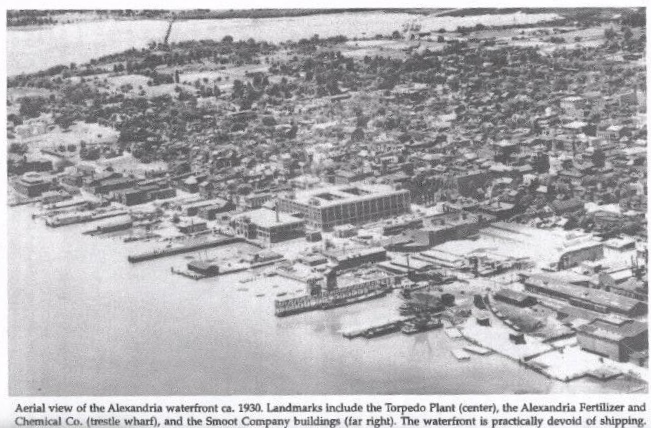
Alexandria Va. Waterfront 1930
Aerial view of the Alexandria waterfront ca. 1930. Landmarks include the Torpedo Factory, the Alexandria Fertilizer and Chemical Company (trestle wharf) and Smoot Company buildings (far right). The Alexandria National Cemetery is visible as is Cameron Run and the shores of New Alexandria / Belle Haven. The waterfront in this image is practically devoid of shopping.
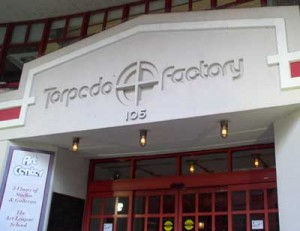
The Torpedo Factory is one of the largest Art Centers in The United States
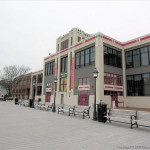
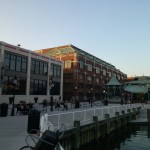
The Torpedo Factory Art Center in Old Town Alexandria
Featuring 6 grand galleries, more than 80 studios, 2 workshops and the Alexandria Archeology Museum, The Torpedo Factory Art Center can be found in Old Town Alexandria, near Union and kings Street and the Potomac River.
Over 160 artists produce and showcase their original work in the Art Canter. One can also shop excellent quality and unique artworks, such as Paintings, Print Making, Jewelry, Ceramics, Stained Glass, Sculpture and Photography. The Art League School teaches children ages 5 years and above, as well as those at least 18 years of age for adult classes.
6 Grand Galleries of the The Torpedo Factory Art Center are are made up of :
The Art League Gallery
The Target Gallery
Enamelists Gallery
Potomac Craftsmen Fiber Gallery
Multiple Exposures Gallery for photographs
Scope Gallery for ceramics
Residents of Old Town Alexandria in North Virginia (which is the most sought after real estate) have access to The Torpedo Factory Art Center, The Lyceum and other shops and restaurants, all connected by King St. Trolley to the Washington Metro. Luxury condos surrounded by a central courtyard can be found at the Torpedo Factory Condominium Complex just right across the The Torpedo Factory Art Center.
The Torpedo Factory Art Center
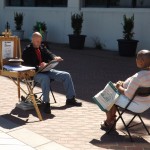
A gentlemen draws a caricature of a lady at the waterfront
Walk the Potomac and marina at the Torpedo Factory
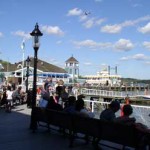
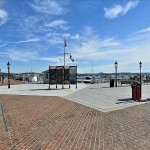
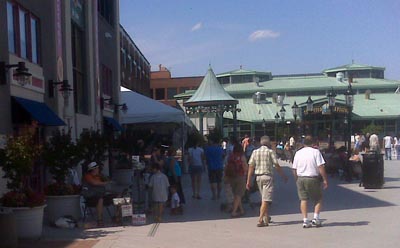
Alexandria Waterfront
Old Town’s waterfront is close to Founders Park
Snow at the Torpedo Factory Entrance on Union Street
at the Potomac River in Alexandria VA
There's the good old days, and there's modern conveniences. Why can't we have both? As it turns out, we can.
Old Town Alexandria, located in Virginia near Washington D.C., is part of the larger city of Alexandria – and one of the more upscale districts in the region. The antique community traces its roots to colonial America, when Alexandria was a seaport. A look at Alexandria's history is a roll call of United States history. The city was George Washington’s hometown. Thomas Jefferson was known to entertain guests at Gadsby’s Tavern. Christ Church saw such notable worshipers as Robert E. Lee. In all, the district is home to more than 4,000 historic buildings that remain true to their original architecture, but house modern businesses and homes.
At the Torpedo Factory and Potomac in Old Town
Old Town Alexandria offers everything needed for locals and tourists both. Restaurants run the gamut from fast food to fine dining. Retailers such as Banana Republic, Gap and Brooks Brothers operate shops there. There's nightlife, as well. Old Town is known for its upscale, laid-back, well-dressed and well-behaved partiers.
Murphy’s is right next door the Light Horse
A gentleman gets a photo with one of the film directors
A Christmas tree shines in the night in Old Town Alexandria
Old Town Theater’s rich history started in 1914
For immediate Old Town, Alexandria Real Estate, contact Nesbitt Realty
December snows in Old Town Alexandria shut the city down? No, Old Town is a walker’s paradise, and once the sidewalks were shoveled the town came to life.
About the Author --- Aubrey Nesbitt is a native of Northern Virginia who attended Virginia Commonwealth University. He is a veteran of the US Army and helps his family business by providing informational articles like this one. In addition to photography and blogging, Aubrey provides administrative support for the office.
The City of Alexandria is a City has more than 140,000 residents within about 16 square miles. Alexandria VA is known for its rich history as well as its exciting present day environment. Alexandria, which is almost 50 years older than Washington, D.C., is one of America's most historic communities. It has many authentic eighteenth-century buildings and neighborhoods which are carefully preserved by strict architectural and demolition
control. Alexandria has become a mecca for divisional, regional, national, and multinational headquarters for operations ranging from research and development to information technology companies, associations, and professional services.
A large part of the land in present-day Alexandria was a 6,000-acre land grant from Sir William Berkeley, Governor of Virginia. That land grant was awarded to Robert Howson, a tobacco merchant and sea captain, on October 21, 1669. This land overlapped a 700-acre patent that had previously been issued to Dame Margaret Brent in 1654. The Howson tract extended along the Potomac River from Hunting Creek on the south to the Little Falls on the north. The grant was made by authority of King Charles II in recognition of Captain Howson's bringing 120 people to live in Virginia. Less than a month later, Howson sold the land.
By 1732, Hugh West had established tobacco warehouses one mile north of Hunting Creek. The adjacent land had been cleared and farmed as early as the 1720s by John Summers and Gabriel Adams. To facilitate shipping, Scottish and English merchants who owned real estate at Cameron, a small hamlet two miles west near present day Cameron Station, petitioned the Virginia General Assembly in the fall of 1748 to establish a town at West's Hunting Creek Warehouse. In the spring of 1749, this site was selected and the new town was named Alexandria in honor of its original owner--John Alexander. John West Jr., Fairfax County assistant surveyor, laid out 60 acres, and lots were auctioned off July 13 and 14, 1749.
Alexandria was officially incorporated in 1779, and it became a port of entry for foreign vessels and a major export center for flour and hemp. Its bustling harbor teemed with brigs, schooners, and ships of the line, which traversed the high seas and engaged in international and coast wide trade. The streets were lined with substantial brick houses and the "sound of the hammer and trowel were at work everywhere." In 1796, a visitor, the Duc de La Rochfoucauld Liancourt, commented that: "Alexandria is beyond all comparison the handsomest town in Virginia--indeed is among the finest in the United States." (Quotes by Fairfax Harrison: See Page 417 of Landmarks of Old Prince William County, 1964, Chesapeake Book Company, Berryville, Virginia)
In 1789, Alexandria and a portion of Fairfax County were ceded by the State of Virginia to become a part of the newly created 10-mile-square District of Columbia.
Formally accepted by Congress in 1801, Alexandria remained under the aegis of the new federal government. In 1847 Alexandria was retroceded to Virginia. In 1852, Alexandria acquired city status and gained a new charter. George Washington drilled militia troops at Market Square in 1754, and the town served as a supply and hospital center during the Revolutionary conflict. In 1812 Alexandria was captured and held for ransom by the British who plundered Alexandria's warehouses.
During the Civil War, the City was immediately occupied by the Union military forces on May 24, 1861, and became a logistical supply center for the federal army. It was during this era that several forts were constructed in Alexandria as a part of the defenses of the City of Washington. Fort Ward Park contains one of these restored forts. From 1863 to 1865, the City was the capital of the Restored Government of Virginia, which represented the seven Virginia counties remaining under federal control during the Civil War.
607 Cameron Street in Old Town Alexandria 1926
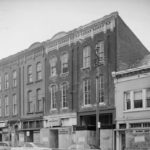
408-414 King Street 1960
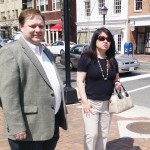
Julie and Will Nesbitt in Old Town
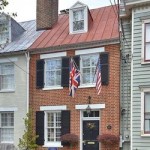
Townhouse at Old Town is in Alexandria 22314
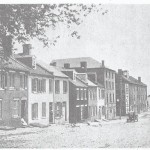
Captains Row 100 block of Prince St. in 1924 ,Alexandria Va.
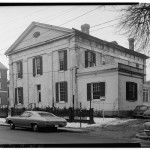
Lyceum, 201 South Washington Street, Alexandria VA in 1968
Since 1988, Alexandria has experienced unprecedented commercial development. Today the Old Town historic district is known for its array of museums, architecture, special events, fine restaurants and hotels, and other attractions that draw more than 1.5 million international and domestic visitors to it each year. More than two million square feet of new office complexes have been constructed. With this development, the City has become a mecca for divisional, regional, national, and multinational headquarters for operations ranging from research and development to high technology, associations, and professional services. Alexandria the site of the U.S. Patent and Trademark Office in the Carlyle District. And the future site of the National Science Foundation.
A cross section of headquarters operations that have expanded or relocated to Alexandria includes the
American Diabetes Association,
Capitol Publications,
the American Oncology Association,
United Way,
American Peanut Council,
Boat USA,
National Center for Missing and Exploited Children,
Motley Fool, H2Gen Innovations,
and
the American Society for Training and Development.
With the development of the Carlyle Project, the Eisenhower Valley area now includes the Federal Courthouse, hotels, a 12-screen movie theater, apartments, and condominiums. In addition, the U.S. Patent and Trademark Office, with 7,100 employees, relocated to five new buildings in the area. This is the largest federal lease of real estate in U.S. history.
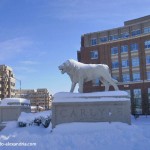
The lion in the snow at Carlyle District
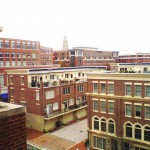
Skyline of Carlyle District
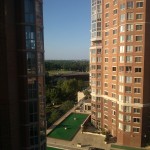
The view of a Carlyle Towers condo facing towards DC during the day
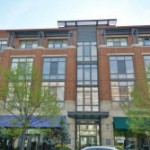
Condos At Carlyle Square is in Alexandria
Carlyle Towers is in Alexandria 22314
Aubrey Nesbitt gets a picture with the Lennon & McCartney
About the Author --- Aubrey Nesbitt is a native of Northern Virginia who attended Virginia Commonwealth University. He is a veteran of the US Army and helps his family business by providing informational articles like this one. In addition to photography and blogging, Aubrey provides administrative support for the office.
During the era of Federal Urban Renewal programs, which threatened the demolition of the oldest parts of Alexandria, the Historic Alexandria Foundation initiated a program of marking early historic buildings with oval bronze plaques. Intense lobbying by the Foundation in conjunction with the Old Town Civic Association served to limit the advance of Urban Renewal destruction in the 1960s to three blocks along King Street, and today historic homes and shops are being restored instead of demolished.
This program continues today, with additional structures judged on their merits for inclusion within the ranks of plaqued houses. If you think your house merits a bronze plaque, call the Historic Alexandria Foundation at 703-549-5811 or the Office of Historic Alexandria at 703-838-4554 to learn more about this program.
Old Town
homes and condos for sale in the Old Town area of Alexandria VA
About the Author --- Aubrey Nesbitt is a native of Northern Virginia who attended Virginia Commonwealth University. He is a veteran of the US Army and helps his family business by providing informational articles like this one. In addition to photography and blogging, Aubrey provides administrative support for the office.
Julie Nesbitt
Julie Nesbitt knows the back trails and by-ways of Northern Virginia real estate.
Tours at the Cherry Hill Farmhouse are given so you can marvel at this beautiful 18th-19th century home. It was built in 1845 and was a 73 acre farm. After surviving the Civil War this historic home was bought by the City of Falls Church.
For more information on tour times please contact:
Cherry Hill Farmhouse
312 Park Ave.
Falls Church, VA. 22046
703-248-5071
About the Author --- Aubrey Nesbitt is a native of Northern Virginia who attended Virginia Commonwealth University. He is a veteran of the US Army and helps his family business by providing informational articles like this one. In addition to photography and blogging, Aubrey provides administrative support for the office.
Laying the cornerstone at the George Washington Masonic Memorial in Alexandria VA
The George Washington National Masonic Memorial atop Shuter's Hill dominates the skyline of Alexandria VA and is recognizable from miles away. It towers above Old Town and overlooks the Carlyle area around the USPTO. Work was started on the Memorial in 1923, and you might be surprised who laid the cornerstone.
1923 - Chief Justice Wm. Howard Taft at the cornerstone laying of the Geo. Washington Memorial at Alex. Va.
The cornerstone was laid by former President, then Chief Justice William Howard Taft.
Sully reflects the history of Fairfax County. Completed in 1799 by Richard Bland Lee, the main house at Sully combines aspects of Georgian and Federal architecture. Richard Bland Lee was Northern Virginia's first Representative to Congress, as well as General Robert E. Lee's uncle.
On the National Register for Historic Places, and accredited by the American Association of Museums, Sully also includes original outbuildings, representative slave quarter and gardens. Guided tours highlight the early 19th century life of the Richard Bland Lee family, tenant farmers and enslaved African Americans. Programs reflect the history of Fairfax County through the 20th century.
Sully Historic Site
3650 Historic Sully Way
Chantilly, VA
Brick home for sale in Fairfax. Are you shopping for a houses in Fairfax Virginia? Take a look at this home for sale. This is a nice method for staying up to date on prices and features on real estate in Fairfax.
When shopping for a home in Fairfax, there are quite a few things that can snatch your attention. When you look at a home, it’s very easy to fall immediately in love with it. New homes are clean, decorated perfectly, and many are what you pictured in your dreams. If you don’t shop the smart…
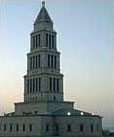
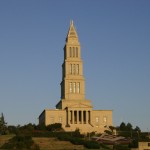
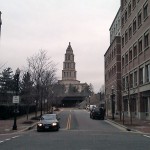
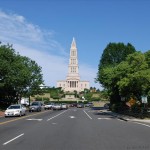
The George Washington National Masonic Memorial is a landmark in Alexandria. It's located on Shuters Hill at the end of King Street above the Amtrak Station and King Street Metro. The monument overlooks Old Town, Del Ray and Fairfax County and West End Alexandria.
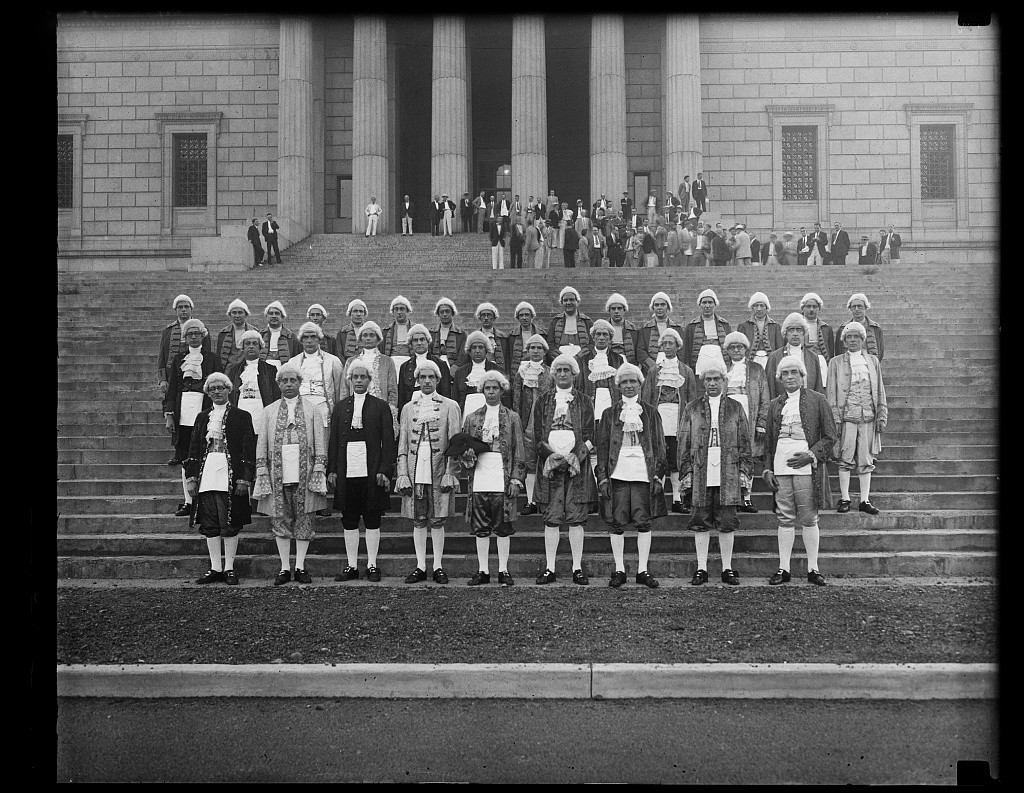
Group in colonial costume at George Washington Masonic National Memorial, Alexandria, Virginia 1932
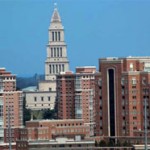
View of Carlyle District of Old Town Alexandria
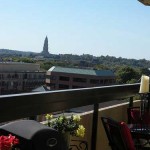
Westward view from Alexandria House — the Masonic Temple
George Washington Masonic Temple at sunset
George Washington National Masonic Memorial
The George Washington National Masonic Memorial is Masonic lodge, an area landmark and a memorial to our first President. It is visible from almost all points in the Carlyle District.



.jpg "Waterfront in Old Town Alexandria VA")





 About the Author --- Aubrey Nesbitt is a native of Northern Virginia who attended Virginia Commonwealth University. He is a veteran of the US Army and helps his family business by providing informational articles like this one. In addition to photography and blogging, Aubrey provides administrative support for the office.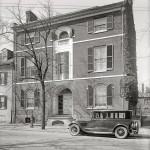

 During the era of Federal Urban Renewal programs, which threatened the demolition of the oldest parts of Alexandria, the Historic Alexandria Foundation initiated a program of marking early historic buildings with oval bronze plaques. Intense lobbying by the Foundation in conjunction with the Old Town Civic Association served to limit the advance of Urban Renewal destruction in the 1960s to three blocks along King Street, and today historic homes and shops are being restored instead of demolished.
This program continues today, with additional structures judged on their merits for inclusion within the ranks of plaqued houses. If you think your house merits a bronze plaque, call the Historic Alexandria Foundation at 703-549-5811 or the Office of Historic Alexandria at 703-838-4554 to learn more about this program.
During the era of Federal Urban Renewal programs, which threatened the demolition of the oldest parts of Alexandria, the Historic Alexandria Foundation initiated a program of marking early historic buildings with oval bronze plaques. Intense lobbying by the Foundation in conjunction with the Old Town Civic Association served to limit the advance of Urban Renewal destruction in the 1960s to three blocks along King Street, and today historic homes and shops are being restored instead of demolished.
This program continues today, with additional structures judged on their merits for inclusion within the ranks of plaqued houses. If you think your house merits a bronze plaque, call the Historic Alexandria Foundation at 703-549-5811 or the Office of Historic Alexandria at 703-838-4554 to learn more about this program.