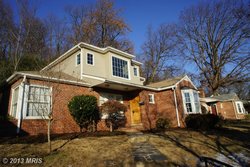
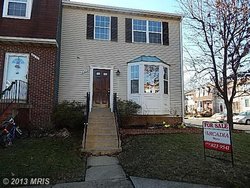
Van Dorn Village is located in Franconia VA
Polybutylene is a type of plastic resin that was widely used in the manufacture of water supply piping from 1978 until 1995. During that time polybutylene pipes were often considered the pipes of the future because they were easy to install and cost less than other materials such as traditional copper piping. Polybutylene piping systems were used both for underground water mains and for interior water distribution. Most probably, polybutylene piping was installed in about one in every four or five homes built during the years in which the pipe was manufactured.
Does your home have polybutylene?
You should probably contact an expert or have a home inspection if your home was constructed from 1978 to 1995.
It's easy to see if you have copper pipes, but it might not be obvious if you have polybutylene pipes as opposed to PVC (polyvinyl-chloride). In exterior uses polybutylene underground water mains are usually blue, but may be gray or black. Your water main near the shutoff valve is attached to the end of the water main. Or, you can check the pipes at the water meter on the city street, near the city water main. Experts suggest checking both ends of the pipe because there are cases where copper pipe enters the home, and poly pipe is at the water meter. This indicates that both pipes were used and connected somewhere underground.
Inside your home you can find polybutylene near the water heater, running across the ceiling in unfinished basements, and coming out of the walls to feed sinks and toilets. Warning: In some regions of the country plumbers used copper "stub outs" where the pipe exits a wall to feed a fixture, so seeing copper here does not mean that you do not have poly. If this all sounds a little confusing, contact an expert.
Will the Pipes Fail?
The metal backsplace contrasts nicely with the dark green counter and natural wood cabinetry in this kitchen at the Olympus in West End Aleandria.
Steven Reiber, HDR Engineering, American Water Works Association Research Foundation writes, "A series of reports have suggested that increased use of choloramines accelerates corrosion and degradation of some metals and elastomers common to distribution plumbing and appurtenances. With regard to elastomers, the study showed that with few exceptions, solutions of chloramines (either monochloramine or dichloramine) produced greater material swelling, deeper and more dense surface cracking, a more rapid loss of elasticity, and greater loss of tensile strength than equivalent concentrations of free chlorine."
Throughout the 1980's lawsuits were filed complaining of allegedly defective manufacturing and defective installation causing hundreds of millions of dollars in damages. Although the manufacturers have never admitted that poly is defective, they have agreed to fund the Class Action settlement with an initial and minimum amount of $950 million. You'll have to contact the appropriate settlement claim company to find out if you qualify under this settlement.
The truth is that the scientific evidence of failures is a little shaky. Some people believe that oxidants in the public water supply, such as chlorine, react with the polybutylene piping and acetal fittings causing them to scale and flake and become brittle. If this is true, this causes micro-
Bathroom at the Duke at Old Town
fractures. Micro-fractures reduce the basic structural integrity of the system. Thus, the pipes are at risk of becoming weak and may fail without warning causing damage to the building structure and personal property. On the other hand, some believe that other factors may also contribute to the failure of polybutylene systems, such as improper installation, but it is virtually impossible to detect installation problems throughout an entire system. But in the end it's about your tolerance for risk. If you have polybutylene pipes, you owe it to yourself to have nothing less than a risk assessment.
For more information or to set up an appointment call Nesbitt Realty at (703)765-0300.
The condos of Westmoreland Terrace are in Arlington VA
Westmoreland Terrace is in the Rosslyn area near Arlington National Cemetery, Pentagon & Iwo Jima Memorial. Residents have plentiful parking with permit. This community has newer washers/dryers with debt-credit card access.
Vienna Villager Apts is in Vienna 22180
Vienna Villager Apartments is a condominium community in Vienna VA. Residents in enjoy a nicely decorated lobby and a condo fee that includes heat, water, plentiful parking and maintenance of laundry room and common areas. Vienna Villager is just a short walk to downtown Vienna.
The Virgina Real Estate Board was established in 1924 to regulate businesses and individuals representing others in real property transactions, including condominiums, cooperatives, and time-shares. An adjunct responsibility allows the Board to investigate housing discrimination under the aegis of the Federal Fair Housing Act. The Board currently licenses approximately 55,000 individuals and businesses.
Nesbitt Realty is licensed in Virginia.Department of Professional and Occupational Regulation
9960 Maryland Drive
Suite 400
Richmond, Virginia 23233-1463
For further information, contact:
Phone: (804) 367-8526
Email: Board for Real Estate
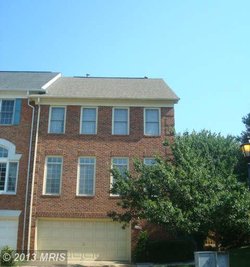
Devonshire Townhomes in Alexandria VA might then be what you are looking for. Townhouses located less than a mile to the metro, at walking distance to shopping center and Lane Elementary.
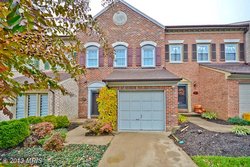
Townhouses at Potters Glen in Alexandria VA are conveniently located near shopping, restaurants, Springfield Mall, Kingstowne Center and Wegmans (under construction).
Woodfield Estates townhouses in Alexandria VA are for you, if you are looking for a beautiful property close to Van Dorn metro, 495, shopping and dining.






-1024x985.jpg)