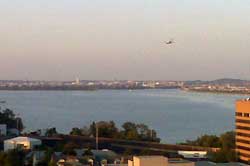
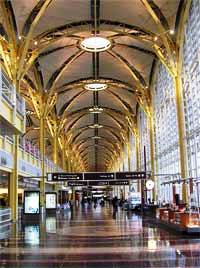
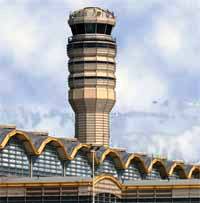
Ronald Reagan National Airport is located off the George Washington Parkway in Northern Virginia along the banks of the Potomac. It's an older airport surrounded by development. Many commuters love National's convenient location, but the shorter runways and surrounding buildings and monuments often mean white-knuckled take-offs and landings. Pilots must fly a narrow path over the Potomac River on approach and when leaving the airport. The must also quickly gain altitude and bank to avoid the Washington Monument and Rosslyn on the way out.
National Airport in 1940 long before anyone dreamed that Reagan would be President.
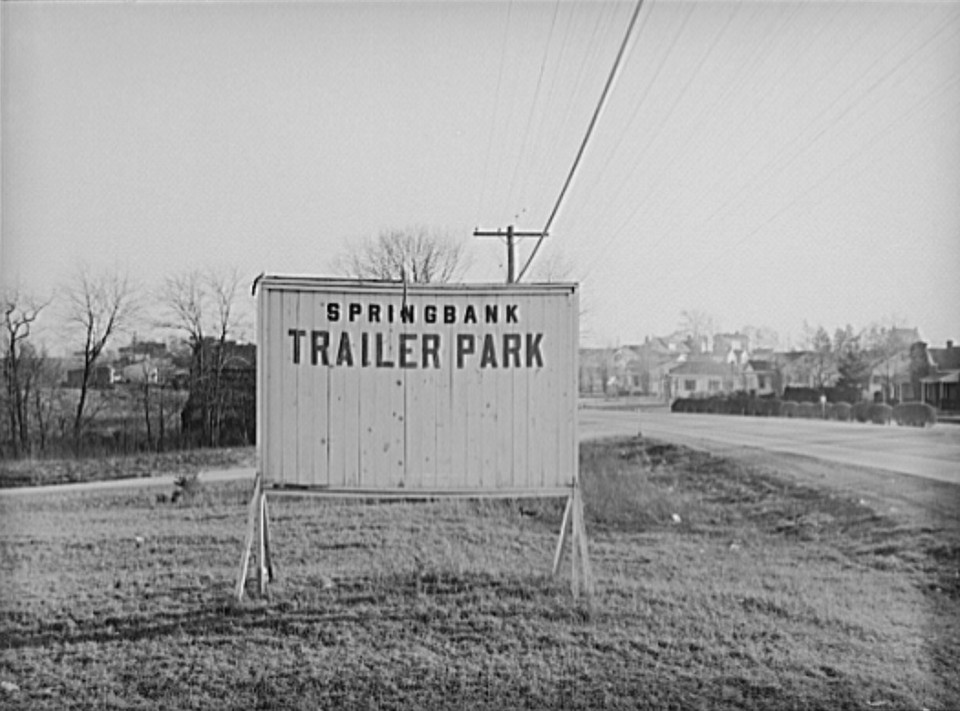
Today the Penn Daw / Huntington area of Fairfax County off Rt. 1 is a bustling commercial district filled with big box stores and restaurants but that wasn't always the case.
1941.. Springbank was located where the Walmart is now at Penn Daw on Rt. 1.
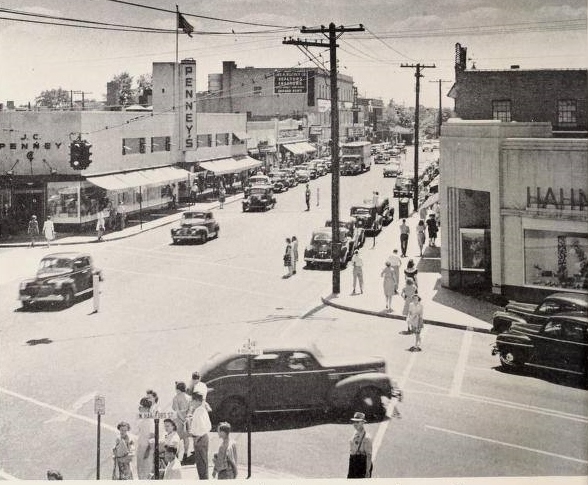
Here's what Clarendon looked like in 1949
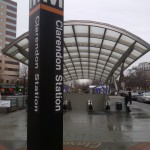
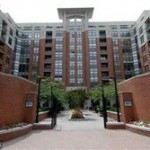
The Clarendon neighborhood in Arlington County is urban, upscale and sophisticated. Residents here enjoy Metro access, restaurants and shops. In 1949, as evidenced by the picture above, Clarendon was a sleepy small Virginia village. Below, you'll see what Clarendon looks like today.
Green Spring Farm is located at 4601 Green Spring Road in Annandale VA. Back in 1940 this structure was dilapidated and ready to crumble but today the site has been fully restored.
Green Spring Farm in 2013Green Spring Farm in Annandale in 1940
I love comparison pictures where you see what has changed in a given place over time. Here's a look at King Street in 1940 and a look at the same place in 2013.
King Street in 1940 and the same place in 2013
Most of Fairlington was built in the mid and late 1940's to support the explosion of activity around the Pentagon during World War 2. But what did Fairlington look like back when it was brand new? You might be surprised.
Fairlington back in 1946. The biggest change is that there were no trees!
Today one of the most remarkable features of Fairlington is the "urban forest" with so many large well-established trees and groves of trees. But that wasn't the case in 1946. In the photo above one can spot a few spindly saplings staked up so they don't fall. Today those are mighty trees.