Add a fence for privacy and distinction
Owning a home is an expensive proposition. There’s maintenance, landscaping, utilities, renovations, and, of course, taxes. It’s your civic duty to pay the latter, but it’s also your right not to yield a penny more than your fair share.
It’s possible to trim your property tax bill by appealing the assessed value of your home. But making a case against your real estate assessment, the basis for your property tax bill, requires doing a bit of homework. Initial research can be done online or by phone over two or three days, but the process can stretch out for months if you’re forced to file a formal appeal.
There are a few things to keep in mind as you weigh an appeal. The board can only lower your real estate assessment, not the rate at which you’re taxed. There’s also a chance, albeit slight, that your assessment could be raised, thus increasing your property taxes. A reduction in your assessment right before you put your house on the market could hurt the sale price. An easier route to savings might lie in determining if you qualify for property tax exemptions based on age, disability, military service, or other factors.
Read your assessment letter
A real estate assessment is conducted periodically by the local government to assign a value to your home for taxation purposes. An assessment isn’t the same as a private appraisal, and the assessed value of your home isn’t necessarily how much you could sell it for today. Real estate assessment letters are mailed to homeowners annually, or perhaps every two to three years, depending where you live.
The letter will include some information about your property, such as lot size or a legal description, as well as the assessed value of your house and land. Additional details—number of bedrooms, for example, or date of construction—can often be found in the property listing on your local government’s website. Your property tax bill will usually be calculated by multiplying your home’s assessed value by the local tax rate, which can vary from town to town.
If you think your home’s assessment is higher than it should be, challenge it immediately. The clock starts ticking as soon as the letter goes out. You generally have less than 30 days to respond, though the time frame varies not just between states, but within each state. Procedures are often outlined on the back of the letter.
Gather evidence
Start by making sure the assessment letter doesn’t contain any mistakes. Is the number of bathrooms accurate? Number of fireplaces? How about the size of the lot? There’s a big difference between “0.3 acres” and “3.0 acres.” If any facts are wrong, then you may have a quick and easy challenge on your hands.
Next, research your home’s value. Ask a real estate agent to find three to five comparable properties—“comps” in real estate jargon—that have sold recently. Alternatively, check a website like Smarthomeprice.com to find approximate values of comparable properties. The key is identifying properties that are very similar to your own in terms of size, style, condition, and location. If you’re willing to shell out between $350 and $600, you can hire a private appraiser to do the heavy lifting.
Once you identify comps, check the assessments on those properties. Most local governments maintain public databases. If yours doesn’t, seek help from an agent or ask neighbors to share tax information. If the assessments on your comps are lower, you can argue yours is too high. Even if the assessments are similar, if you can show that the “comparable” properties aren’t truly comparable, you may have a case for relief based on equity. Maybe your neighbor added an addition while you were still struggling to clean up storm damage. In that case, the properties are no longer equitable.
Present your case
Once you’re armed with your research, call your local assessor’s office. Most assessors are willing to discuss your assessment informally by phone. If not, or if you aren’t satisfied with the explanation, request a formal review. Pay attention to deadlines and procedures. There’s probably a form to fill out and specific instructions for supporting evidence. A typical review, which usually doesn’t require you to appear in person, can take anywhere from one to three months. Expect to receive a decision in writing.
If the review is unsuccessful, you can usually appeal the decision to an independent board, with or without the help of a lawyer. You may have to pay a modest filing fee, perhaps $10 to $25. If you end up before an appeals board, your challenge could stretch as long as a year, especially in large jurisdictions that have a high number of appeals. But homeowners do triumph. According to Guy Griscom, Assistant Chief Appraiser of the Harris County (Texas) Central Appraisal District, of the 288,800 protests filed in his Houston-area district in 2008, about 58% received reduced assessments.
How much effort you decide to put into a challenge depends on the stakes. The annual U.S. median property tax paid in 2008 was $1,897, or 0.96% of the median home value of $197,600. Lowering that assessed value by 15% would net savings of about $285.
This article provides general information about tax laws and consequences, but is not intended to be relied upon by readers as tax or legal advice applicable to particular transactions or circumstances. Readers should consult a tax professional for such advice, and are reminded that tax laws may vary by jurisdiction.
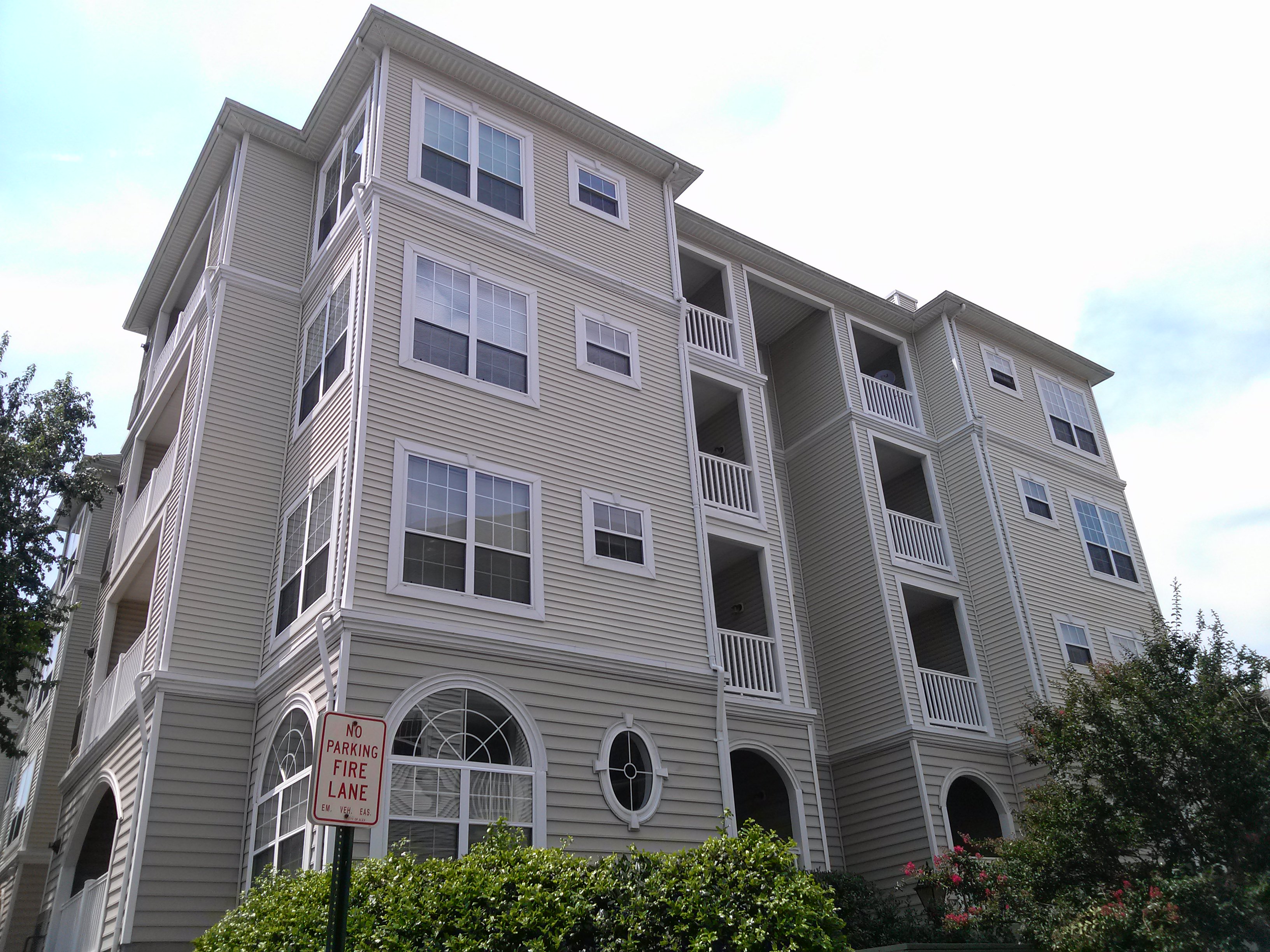
Lyon Village is located in Arlington VA
Of course as a homeowner you’ll be responsible for maintenance and repairs on the house. As a condo owner, many of these responsibilities are handled by the condo association. Either way, if you commit to buying a home you've identified yourself as the type of person who has taken charge of his or her life. A homeowner can paint the wall any color. A home owner doesn’t need the landlord’s permission to get a cat.
As a homeowner you’re more likely to be a part of the neighborhood watch and the garden club. According to some studies, home owners are more likely to vote, and more likely to participate in local government activities. As a condominium owner you have become one of America’s landed gentry. According to the Rossi and Weber National Survey of Families, home owners possess significantly higher levels of self-confidence than renters.
Tax advantages are one of the biggest financial benefits of home ownership. The typical home owner that pays a $1,000 house payment will realize tax savings of about $120 each month. (As a general rule, most homeowners can deduct most or all of their interest payments on their home loan, property taxes and loan points, but check with your tax adviser about your situation.) What this means is that next year your rent won’t go up, but your liability will go down. Generally if you can afford the cash flow, it’s cheaper to buy than to rent. Because you’re a homeowner, you know what this means.
This increase confidence and wealth will have an impact on your family life as well. According to Boehm & Schlottmann, University of Tennessee, “Children of home owners are 59% more likely to become homeowners. Their children are also 25% more likely to graduate from high school and 116% more likely to graduate from college.”
Palazzo is located near King St. and I-395.
As an owner, you’ll stop paying rent and you’ll start building ownership equity. A survey of consumer finance by the Federal Reserve Board found that the median net worth of most modest-income owners is almost $60,000 compared to less than $10,000 for renters in the same income group.
In many cases, your home will provide you with more privacy than rental living. For some, this means a quieter living environment, for others it’s the ability to have a grow garden, have a backyard barbecue or a build a garage. You’ll have the freedom to make whatever changes or improvements you like. Now that you control your living environment, you can make adjustments as your family changes or just as your personal taste dictates.