Code of Ethics and Standards of Practice of the NATIONAL ASSOCIATION OF REALTORS (R)
Effective January 1, 2009
Duties to Clients and Customers
Duties to the Public
Duties to REALTORS(R)
Where the word REALTORS(R) is used in this Code and Preamble, it shall be deemed to include REALTOR-ASSOCIATE(R)s.
While the Code of Ethics establishes obligations that may be higher than those mandated by law, in any instance where the Code of Ethics and the law conflict, the obligations of the law must take precedence.
Preamble
Under all is the land. Upon its wise utilization and widely allocated ownership depend the survival and growth of free institutions and of our civilization. REALTORS(R) should recognize that the interests of the nation and its citizens require the highest and best use of the land and the widest distribution of land ownership. They require the creation of adequate housing, the building of functioning cities, the development of productive industries and farms, and the preservation of a healthful environment.
Such interests impose obligations beyond those of ordinary commerce. They impose grave social responsibility and a patriotic duty to which REALTORS(R) should dedicate themselves, and for which they should be diligent in preparing themselves. REALTORS(R), therefore, are zealous to maintain and improve the standards of their calling and share with their fellow REALTORS(R) a common responsibility for its integrity and honor.
In recognition and appreciation of their obligations to clients, customers, the public, and each other, REALTORS(R) continuously strive to become and remain informed on issues affecting real estate and, as knowledgeable professionals, they willingly share the fruit of their experience and study with others. They identify and take steps, through enforcement of this Code of Ethics and by assisting appropriate regulatory bodies, to eliminate practices which may damage the public or which might discredit or bring dishonor to the real estate profession. REALTORS(R) having direct personal knowledge of conduct that may violate the Code of Ethics involving misappropriation of client or customer funds or property, willful discrimination, or fraud resulting in substantial economic harm, bring such matters to the attention of the appropriate Board or Association of REALTORS(R). (Amended 1/00)
Realizing that cooperation with other real estate professionals promotes the best interests of those who utilize their services, REALTORS(R) urge exclusive representation of clients; do not attempt to gain any unfair advantage over their competitors; and they refrain from making unsolicited comments about other practitioners. In instances where their opinion is sought, or where REALTORS(R) believe that comment is necessary, their opinion is offered in an objective, professional manner, uninfluenced by any personal motivation or potential advantage or gain.
The term REALTOR(R) has come to connote competency, fairness, and high integrity resulting from adherence to a lofty ideal of moral conduct in business relations. No inducement of profit and no instruction from clients ever can justify departure from this ideal.
In the interpretation of this obligation, REALTORS(R) can take no safer guide than that which has been handed down through the centuries, embodied in the Golden Rule, “Whatsoever ye would that others should do to you, do ye even so to them.”
Accepting this standard as their own, REALTORS(R) pledge to observe its spirit in all of their activities whether conducted personally, through associates or others, or via technological means, and to conduct their business in accordance with the tenets set forth below. (Amended 1/07)
Duties to Clients and Customers
Article 1
When representing a buyer, seller, landlord, tenant, or other client as an agent, REALTORS(R) pledge themselves to protect and promote the interests of their client. This obligation to the client is primary, but it does not relieve REALTORS(R) of their obligation to treat all parties honestly. When serving a buyer, seller, landlord, tenant or other party in a non-agency capacity, REALTORS(R) remain obligated to treat all parties honestly. (Amended 1/01)
REALTORS(R), when acting as principals in a real estate transaction, remain obligated by the duties imposed by the Code of Ethics. (Amended 1/93)
The duties imposed by the Code of Ethics encompass all real estate-related activities and transactions whether conducted in person, electronically, or through any other means.
The duties the Code of Ethics imposes are applicable whether REALTORS(R) are acting as agents or in legally recognized non-agency capacities except that any duty imposed exclusively on agents by law or regulation shall not be imposed by this Code of Ethics on REALTORS(R) acting in non-agency capacities.
As used in this Code of Ethics, “client” means the person(s) or entity(ies) with whom a REALTOR(R) or a REALTOR(R)’s firm has an agency or legally recognized non-agency relationship; “customer” means a party to a real estate transaction who receives information, services, or benefits but has no contractual relationship with the REALTOR(R) or the REALTOR(R)’s firm; “prospect” means a purchaser, seller, tenant, or landlord who is not subject to a representation relationship with the REALTOR(R) or REALTOR(R)’s firm; “agent” means a real estate licensee (including brokers and sales associates) acting in an agency relationship as defined by state law or regulation; and “broker” means a real estate licensee (including brokers and sales associates) acting as an agent or in a legally recognized non-agency capacity. (Adopted 1/95, Amended 1/07)
REALTORS(R), in attempting to secure a listing, shall not deliberately mislead the owner as to market value.
REALTORS(R), when seeking to become a buyer/tenant representative, shall not mislead buyers or tenants as to savings or other benefits that might be realized through use of the REALTOR(R)’s services. (Amended 1/93)
REALTORS(R) may represent the seller/landlord and buyer/tenant in the same transaction only after full disclosure to and with informed consent of both parties. (Adopted 1/93)
REALTORS(R) shall submit offers and counter-offers objectively and as quickly as possible. (Adopted 1/93, Amended 1/95)
When acting as listing brokers, REALTORS(R) shall continue to submit to the seller/landlord all offers and counter-offers until closing or execution of a lease unless the seller/landlord has waived this obligation in writing. REALTORS(R) shall not be obligated to continue to market the property after an offer has been accepted by the seller/landlord. REALTORS(R) shall recommend that sellers/landlords obtain the advice of legal counsel prior to acceptance of a subsequent offer except where the acceptance is contingent on the termination of the pre-existing purchase contract or lease. (Amended 1/93)
REALTORS(R) , acting as agents or brokers of buyers/tenants, shall submit to buyers/tenants all offers and counter-offers until acceptance but have no obligation to continue to show properties to their clients after an offer has been accepted unless otherwise agreed in writing. REALTORS(R), acting as agents or brokers of buyers/tenants, shall recommend that buyers/tenants obtain the advice of legal counsel if there is a question as to whether a pre-existing contract has been terminated. (Adopted 1/93, Amended 1/99)
-
- reveal confidential information of clients; or
- use confidential information of clients to the disadvantage of clients; or
- use confidential information of clients for the REALTOR
- clients consent after full disclosure; or
- REALTORS
(R) are required by court order; or
- it is the intention of a client to commit a crime and the information is necessary to prevent the crime; or
- it is necessary to defend a REALTOR
(R) or the REALTOR(R)’s employees or associates against an accusation of wrongful conduct.
(R)’s advantage or the advantage of third parties unless:
The obligation of REALTORS(R) to preserve confidential information (as defined by state law) provided by their clients in the course of any agency relationship or non-agency relationship recognized by law continues after termination of agency relationships or any non-agency relationships recognized by law. REALTORS(R) shall not knowingly, during or following the termination of professional relationships with their clients:
Information concerning latent material defects is not considered confidential information under this Code of Ethics. (Adopted 1/93, Amended 1/01)
- Standard of Practice 1-10
REALTORS(R) shall, consistent with the terms and conditions of their real estate licensure and their property management agreement, competently manage the property of clients with due regard for the rights, safety and health of tenants and others lawfully on the premises. (Adopted 1/95, Amended 1/00)
- Standard of Practice 1-11
REALTORS(R) who are employed to maintain or manage a client’s property shall exercise due diligence and make reasonable efforts to protect it against reasonably foreseeable contingencies and losses. (Adopted 1/95)
- Standard of Practice 1-12
-
- the REALTOR
(R)’s company policies regarding cooperation and the amount(s) of any compensation that will be offered to subagents, buyer/tenant agents, and/or brokers acting in legally recognized non-agency capacities;
- the fact that buyer/tenant agents or brokers, even if compensated by listing brokers, or by sellers/landlords may represent the interests of buyers/tenants; and
- any potential for listing brokers to act as disclosed dual agents, e.g. buyer/tenant agents. (Adopted 1/93, Renumbered 1/98, Amended 1/03)
When entering into listing contracts, REALTORS(R) must advise sellers/landlords of:
- Standard of Practice 1-13
-
- the REALTOR
(R)’s company policies regarding cooperation;
- the amount of compensation to be paid by the client;
- the potential for additional or offsetting compensation from other brokers, from the seller or landlord, or from other parties;
- any potential for the buyer/tenant representative to act as a disclosed dual agent, e.g. listing broker, subagent, landlord’s agent, etc., and
- the possibility that sellers or sellers' representatives may not treat the existence, terms, or conditions of offers as confidential unless confidentiality is required by law, regulation, or by any confidentiality agreement between the parties. (Adopted 1/93, Renumbered 1/98, Amended 1/06)
When entering into buyer/tenant agreements, REALTORS(R) must advise potential clients of:
- Standard of Practice 1-14
Fees for preparing appraisals or other valuations shall not be contingent upon the amount of the appraisal or valuation. (Adopted 1/02)
- Standard of Practice 1-15
REALTORS(R), in response to inquiries from buyers or cooperating brokers shall, with the sellers’ approval, disclose the existence of offers on the property. Where disclosure is authorized, REALTORS(R) shall also disclose, if asked, whether offers were obtained by the listing licensee, another licensee in the listing firm, or by a cooperating broker. (Adopted 1/03, Amended 1/09))
Article 2
REALTORS(R) shall avoid exaggeration, misrepresentation, or concealment of pertinent facts relating to the property or the transaction. REALTORS(R) shall not, however, be obligated to discover latent defects in the property, to advise on matters outside the scope of their real estate license, or to disclose facts which are confidential under the scope of agency or non-agency relationships as defined by state law. (Amended 1/00)
REALTORS(R) shall only be obligated to discover and disclose adverse factors reasonably apparent to someone with expertise in those areas required by their real estate licensing authority. Article 2 does not impose upon the REALTOR(R) the obligation of expertise in other professional or technical disciplines. (Amended 1/96)
(Renumbered as Standard of Practice 1-12 1/98)
(Renumbered as Standard of Practice 1-13 1/98)
REALTORS(R) shall not be parties to the naming of a false consideration in any document, unless it be the naming of an obviously nominal consideration.
Factors defined as “non-material” by law or regulation or which are expressly referenced in law or regulation as not being subject to disclosure are considered not “pertinent” for purposes of Article 2. (Adopted 1/93)
Article 3
REALTORS(R) shall cooperate with other brokers except when cooperation is not in the client’s best interest. The obligation to cooperate does not include the obligation to share commissions, fees, or to otherwise compensate another broker. (Amended 1/95)
REALTORS(R), acting as exclusive agents or brokers of sellers/ landlords, establish the terms and conditions of offers to cooperate. Unless expressly indicated in offers to cooperate, cooperating brokers may not assume that the offer of cooperation includes an offer of compensation. Terms of compensation, if any, shall be ascertained by cooperating brokers before beginning efforts to accept the offer of cooperation. (Amended 1/99)
REALTORS(R) shall, with respect to offers of compensation to another REALTOR(R), timely communicate any change of compensation for cooperative services to the other REALTOR(R) prior to the time such REALTOR(R) produces an offer to purchase/lease the property. (Amended 1/94)
Standard of Practice 3-2 does not preclude the listing broker and cooperating broker from entering into an agreement to change cooperative compensation. (Adopted 1/94)
REALTORS(R), acting as listing brokers, have an affirmative obligation to disclose the existence of dual or variable rate commission arrangements (i.e., listings where one amount of commission is payable if the listing broker’s firm is the procuring cause of sale/lease and a different amount of commission is payable if the sale/lease results through the efforts of the seller/ landlord or a cooperating broker). The listing broker shall, as soon as practical, disclose the existence of such arrangements to potential cooperating brokers and shall, in response to inquiries from cooperating brokers, disclose the differential that would result in a cooperative transaction or in a sale/lease that results through the efforts of the seller/landlord. If the cooperating broker is a buyer/tenant representative, the buyer/tenant representative must disclose such information to their client before the client makes an offer to purchase or lease. (Amended 1/02)
It is the obligation of subagents to promptly disclose all pertinent facts to the principal’s agent prior to as well as after a purchase or lease agreement is executed. (Amended 1/93)
REALTORS(R) shall disclose the existence of accepted offers, including offers with unresolved contingencies, to any broker seeking cooperation. (Adopted 5/86, Amended 1/04)
When seeking information from another REALTOR(R) concerning property under a management or listing agreement, REALTORS(R) shall disclose their REALTOR(R) status and whether their interest is personal or on behalf of a client and, if on behalf of a client, their representational status. (Amended 1/95)
REALTORS(R) shall not misrepresent the availability of access to show or inspect a listed property. (Amended 11/87)
Article 4
REALTORS(R) shall not acquire an interest in or buy or present offers from themselves, any member of their immediate families, their firms or any member thereof, or any entities in which they have any ownership interest, any real property without making their true position known to the owner or the owner’s agent or broker. In selling property they own, or in which they have any interest, REALTORS(R) shall reveal their ownership or interest in writing to the purchaser or the purchaser’s representative. (Amended 1/00)
For the protection of all parties, the disclosures required by Article 4 shall be in writing and provided by REALTORS(R) prior to the signing of any contract. (Adopted 2/86)
Article 5
REALTORS(R) shall not undertake to provide professional services concerning a property or its value where they have a present or contemplated interest unless such interest is specifically disclosed to all affected parties.
Article 6
REALTORS(R) shall not accept any commission, rebate, or profit on expenditures made for their client, without the client’s knowledge and consent.
When recommending real estate products or services (e.g., homeowner’s insurance, warranty programs, mortgage financing, title insurance, etc.), REALTORS(R) shall disclose to the client or customer to whom the recommendation is made any financial benefits or fees, other than real estate referral fees, the REALTOR(R) or REALTOR(R)’s firm may receive as a direct result of such recommendation. (Amended 1/99)
REALTORS(R) shall not recommend or suggest to a client or a customer the use of services of another organization or business entity in which they have a direct interest without disclosing such interest at the time of the recommendation or suggestion. (Amended 5/88)
Article 7
In a transaction, REALTORS(R) shall not accept compensation from more than one party, even if permitted by law, without disclosure to all parties and the informed consent of the REALTOR(R)’s client or clients. (Amended 1/93)
Article 8
REALTORS(R) shall keep in a special account in an appropriate financial institution, separated from their own funds, monies coming into their possession in trust for other persons, such as escrows, trust funds, clients’ monies, and other like items.
Article 9
REALTORS(R), for the protection of all parties, shall assure whenever possible that all agreements related to real estate transactions including, but not limited to, listing and representation agreements, purchase contracts, and leases are in writing in clear and understandable language expressing the specific terms, conditions, obligations and commitments of the parties. A copy of each agreement shall be furnished to each party to such agreements upon their signing or initialing. (Amended 1/04)
For the protection of all parties, REALTORS(R) shall use reasonable care to ensure that documents pertaining to the purchase, sale, or lease of real estate are kept current through the use of written extensions or amendments. (Amended 1/93)
When assisting or enabling a client or customer in establishing a contractual relationship (e.g., listing and representation agreements, purchase agreements, leases, etc.) electronically, REALTORS(R) shall make reasonable efforts to explain the nature and disclose the specific terms of the contractual relationship being established prior to it being agreed to by a contracting party. (Adopted 1/07)
Duties to the Public
Article 10
REALTORS(R) shall not deny equal professional services to any person for reasons of race, color, religion, sex, handicap, familial status, or national origin. REALTORS(R) shall not be parties to any plan or agreement to discriminate against a person or persons on the basis of race, color, religion, sex, handicap, familial status, or national origin. (Amended 1/90)
REALTORS(R), in their real estate employment practices, shall not discriminate against any person or persons on the basis of race, color, religion, sex, handicap, familial status, or national origin. (Amended 1/00)
- Standard of Practice 10-1
When involved in the sale or lease of a residence, REALTORS(R) shall not volunteer information regarding the racial, religious or ethnic composition of any neighborhood nor shall they engage in any activity which may result in panic selling, however, REALTORS(R) may provide other demographic information. (Adopted 1/94, Amended 1/06)
- Standard of Practice 10-2
When not involved in the sale or lease of a residence, REALTORS(R) may provide demographic information related to a property, transaction or professional assignment to a party if such demographic information is (a) deemed by the REALTOR(R) to be needed to assist with or complete, in a manner consistent with Article 10, a real estate transaction or professional assignment and (b) is obtained or derived from a recognized, reliable, independent, and impartial source. The source of such information and any additions, deletions, modifications, interpretations, or other changes shall be disclosed in reasonable detail. (Adopted 1/05, Renumbered 1/06)
- Standard of Practice 10-3
REALTORS(R) shall not print, display or circulate any statement or advertisement with respect to selling or renting of a property that indicates any preference, limitations or discrimination based on race, color, religion, sex, handicap, familial status, or national origin. (Adopted 1/94, Renumbered 1/05 and 1/06)
- Standard of Practice 10-4
As used in Article 10 “real estate employment practices” relates to employees and independent contractors providing real estate-related services and the administrative and clerical staff directly supporting those individuals. (Adopted 1/00, Renumbered 1/05)
Article 11
The services which REALTORS(R) provide to their clients and customers shall conform to the standards of practice and competence which are reasonably expected in the specific real estate disciplines in which they engage; specifically, residential real estate brokerage, real property management, commercial and industrial real estate brokerage, real estate appraisal, real estate counseling, real estate syndication, real estate auction, and international real estate.
REALTORS(R) shall not undertake to provide specialized professional services concerning a type of property or service that is outside their field of competence unless they engage the assistance of one who is competent on such types of property or service, or unless the facts are fully disclosed to the client. Any persons engaged to provide such assistance shall be so identified to the client and their contribution to the assignment should be set forth. (Amended 1/95)
- Standard of Practice 11-1
-
- identification of the subject property
- date prepared
- defined value or price
- limiting conditions, including statements of purpose(s) and intended user(s)
- any present or contemplated interest, including the possibility of representing the seller/landlord or buyers/tenants
- basis for the opinion, including applicable market data
- if the opinion is not an appraisal, a statement to that effect (Amended 1/01)
When REALTORS(R) prepare opinions of real property value or price, other than in pursuit of a listing or to assist a potential purchaser in formulating a purchase offer, such opinions shall include the following:
- Standard of Practice 11-2
The obligations of the Code of Ethics in respect of real estate disciplines other than appraisal shall be interpreted and applied in accordance with the standards of competence and practice which clients and the public reasonably require to protect their rights and interests considering the complexity of the transaction, the availability of expert assistance, and, where the REALTOR(R) is an agent or subagent, the obligations of a fiduciary. (Adopted 1/95)
- Standard of Practice 11-3
When REALTORS(R) provide consultive services to clients which involve advice or counsel for a fee (not a commission), such advice shall be rendered in an objective manner and the fee shall not be contingent on the substance of the advice or counsel given. If brokerage or transaction services are to be provided in addition to consultive services, a separate compensation may be paid with prior agreement between the client and REALTOR(R). (Adopted 1/96)
- Standard of Practice 11-4
The competency required by Article 11 relates to services contracted for between REALTORS(R) and their clients or customers; the duties expressly imposed by the Code of Ethics; and the duties imposed by law or regulation. (Adopted 1/02)
Article 12
REALTORS(R) shall be honest and truthful in their real estate communications and shall present a true picture in their advertising, marketing, and other representations. REALTORS(R) shall ensure that their status as real estate professionals is readily apparent in their advertising, marketing, and other representations, and that the recipients of all real estate communications are, or have been, notified that those communications are from a real estate professional. (Amended 1/08)
- Standard of Practice 12-1
REALTORS(R) may use the term “free” and similar terms in their advertising and in other representations provided that all terms governing availability of the offered product or service are clearly disclosed at the same time. (Amended 1/97)
- Standard of Practice 12-2
REALTORS(R) may represent their services as “free” or without cost even if they expect to receive compensation from a source other than their client provided that the potential for the REALTOR(R) to obtain a benefit from a third party is clearly disclosed at the same time. (Amended 1/97)
- Standard of Practice 12-3
The offering of premiums, prizes, merchandise discounts or other inducements to list, sell, purchase, or lease is not, in itself, unethical even if receipt of the benefit is contingent on listing, selling, purchasing, or leasing through the REALTOR(R) making the offer. However, REALTORS(R) must exercise care and candor in any such advertising or other public or private representations so that any party interested in receiving or otherwise benefiting from the REALTOR(R)’s offer will have clear, thorough, advance understanding of all the terms and conditions of the offer. The offering of any inducements to do business is subject to the limitations and restrictions of state law and the ethical obligations established by any applicable Standard of Practice. (Amended 1/95)
- Standard of Practice 12-4
REALTORS(R) shall not offer for sale/lease or advertise property without authority. When acting as listing brokers or as subagents, REALTORS(R) shall not quote a price different from that agreed upon with the seller/landlord. (Amended 1/93)
- Standard of Practice 12-5
REALTORS(R) shall not advertise nor permit any person employed by or affiliated with them to advertise listed property in any medium (e.g., electronically, print, radio, television, etc.) without disclosing the name of that REALTOR(R)'s firm in a reasonable and readily apparent manner. (Adopted 11/86, Amended 1/07)
- Standard of Practice 12-6
REALTORS(R), when advertising unlisted real property for sale/lease in which they have an ownership interest, shall disclose their status as both owners/landlords and as REALTORS(R) or real estate licensees. (Amended 1/93)
- Standard of Practice 12-7
Only REALTORS(R) who participated in the transaction as the listing broker or cooperating broker (selling broker) may claim to have “sold” the property. Prior to closing, a cooperating broker may post a “sold” sign only with the consent of the listing broker. (Amended 1/96)
- Standard of Practice 12-8
The obligation to present a true picture in representations to the public includes information presented, provided, or displayed on REALTORS(R)’ websites. REALTORS(R) shall use reasonable efforts to ensure that information on their websites is current. When it becomes apparent that information on a REALTOR(R)’s website is no longer current or accurate, REALTORS(R) shall promptly take corrective action. (Adopted 1/07)
- Standard of Practice 12-9
REALTOR(R) firm websites shall disclose the firm’s name and state(s) of licensure in a reasonable and readily apparent manner.
Websites of REALTORS(R) and non-member licensees affiliated with a REALTOR(R) firm shall disclose the firm’s name and that REALTOR(R)’s or non-member licensee’s state(s) of licensure in a reasonable and readily apparent manner. (Adopted 1/07)
- Standard of Practice 12-10
-
- engaging in deceptive or unauthorized framing of real estate brokerage websites;
- manipulating (e.g., presenting content developed by others) listing content in any way that produces a deceptive or misleading result; or
- deceptively using metatags, keywords or other devices/methods to direct, drive, or divert Internet traffic, or to otherwise mislead consumers. (Adopted 1/07)
REALTORS(R)’ obligation to present a true picture in their advertising and representations to the public includes the URLs and domain names they use, and prohibits REALTORS(R) from:
- Standard of Practice 12-11
REALTORS(R) intending to share or sell consumer information gathered via the Internet shall disclose that possibility in a reasonable and readily apparent manner. (Adopted 1/07)
- Standard of Practice 12-12
-
- use URLs or domain names that present less than a true picture, or
- register URLs or domain names which, if used, would present less than a true picture. (Adopted 1/08)
REALTORS(R) shall not:
- Standard of Practice 12-13
The obligation to present a true picture in advertising, marketing, and representations allows REALTORS(R) to use and display only professional designations, certifications, and other credentials to which they are legitimately entitled. (Adopted 1/08)
Article 13
REALTORS(R) shall not engage in activities that constitute the unauthorized practice of law and shall recommend that legal counsel be obtained when the interest of any party to the transaction requires it.
Article 14
If charged with unethical practice or asked to present evidence or to cooperate in any other way, in any professional standards proceeding or investigation, REALTORS(R) shall place all pertinent facts before the proper tribunals of the Member Board or affiliated institute, society, or council in which membership is held and shall take no action to disrupt or obstruct such processes. (Amended 1/99)
- Standard of Practice 14-1
REALTORS(R) shall not be subject to disciplinary proceedings in more than one Board of REALTORS(R) or affiliated institute, society or council in which they hold membership with respect to alleged violations of the Code of Ethics relating to the same transaction or event. (Amended 1/95)
- Standard of Practice 14-2
REALTORS(R) shall not make any unauthorized disclosure or dissemination of the allegations, findings, or decision developed in connection with an ethics hearing or appeal or in connection with an arbitration hearing or procedural review. (Amended 1/92)
- Standard of Practice 14-3
REALTORS(R) shall not obstruct the Board’s investigative or professional standards proceedings by instituting or threatening to institute actions for libel, slander or defamation against any party to a professional standards proceeding or their witnesses based on the filing of an arbitration request, an ethics complaint, or testimony given before any tribunal. (Adopted 11/87, Amended 1/99)
- Standard of Practice 14-4
REALTORS(R) shall not intentionally impede the Board’s investigative or disciplinary proceedings by filing multiple ethics complaints based on the same event or transaction. (Adopted 11/88)
Duties to REALTORS
(R)
Article 15
REALTORS(R) shall not knowingly or recklessly make false or misleading statements about competitors, their businesses, or their business practices. (Amended 1/92)
- Standard of Practice 15-1
REALTORS(R) shall not knowingly or recklessly file false or unfounded ethics complaints. (Adopted 1/00)
- Standard of Practice 15-2
The obligation to refrain from making false or misleading statements about competitors’ businesses and competitors’ business practices includes the duty to not knowingly or recklessly repeat, retransmit, or republish false or misleading statements made by others. This duty applies whether false or misleading statements are repeated in person, in writing, by technological means (e.g., the Internet), or by any other means. (Adopted 1/07)
Article 16
REALTORS(R) shall not engage in any practice or take any action inconsistent with exclusive representation or exclusive brokerage relationship agreements that other REALTORS(R) have with clients. (Amended 1/04)
- Standard of Practice 16-1
Article 16 is not intended to prohibit aggressive or innovative business practices which are otherwise ethical and does not prohibit disagreements with other REALTORS(R) involving commission, fees, compensation or other forms of payment or expenses. (Adopted 1/93, Amended 1/95)
- Standard of Practice 16-2
Article 16 does not preclude REALTORS(R) from making general announcements to prospects describing their services and the terms of their availability even though some recipients may have entered into agency agreements or other exclusive relationships with another REALTOR(R). A general telephone canvass, general mailing or distribution addressed to all prospects in a given geographical area or in a given profession, business, club, or organization, or other classification or group is deemed “general” for purposes of this standard. (Amended 1/04)
Article 16 is intended to recognize as unethical two basic types of solicitations:
First, telephone or personal solicitations of property owners who have been identified by a real estate sign, multiple listing compilation, or other information service as having exclusively listed their property with another REALTOR(R); and
Second, mail or other forms of written solicitations of prospects whose properties are exclusively listed with another REALTOR(R) when such solicitations are not part of a general mailing but are directed specifically to property owners identified through compilations of current listings, “for sale” or “for rent” signs, or other sources of information required by Article 3 and Multiple Listing Service rules to be made available to other REALTORS(R) under offers of subagency or cooperation. (Amended 1/04)
- Standard of Practice 16-3
Article 16 does not preclude REALTORS(R) from contacting the client of another broker for the purpose of offering to provide, or entering into a contract to provide, a different type of real estate service unrelated to the type of service currently being provided (e.g., property management as opposed to brokerage) or from offering the same type of service for property not subject to other brokers’ exclusive agreements. However, information received through a Multiple Listing Service or any other offer of cooperation may not be used to target clients of other REALTORS(R) to whom such offers to provide services may be made. (Amended 1/04)
- Standard of Practice 16-4
REALTORS(R) shall not solicit a listing which is currently listed exclusively with another broker. However, if the listing broker, when asked by the REALTOR(R), refuses to disclose the expiration date and nature of such listing; i.e., an exclusive right to sell, an exclusive agency, open listing, or other form of contractual agreement between the listing broker and the client, the REALTOR(R) may contact the owner to secure such information and may discuss the terms upon which the REALTOR(R) might take a future listing or, alternatively, may take a listing to become effective upon expiration of any existing exclusive listing. (Amended 1/94)
- Standard of Practice 16-5
REALTORS(R) shall not solicit buyer/tenant agreements from buyers/ tenants who are subject to exclusive buyer/tenant agreements. However, if asked by a REALTOR(R), the broker refuses to disclose the expiration date of the exclusive buyer/tenant agreement, the REALTOR(R) may contact the buyer/tenant to secure such information and may discuss the terms upon which the REALTOR(R) might enter into a future buyer/tenant agreement or, alternatively, may enter into a buyer/tenant agreement to become effective upon the expiration of any existing exclusive buyer/tenant agreement. (Adopted 1/94, Amended 1/98)
- Standard of Practice 16-6
When REALTORS(R) are contacted by the client of another REALTOR(R) regarding the creation of an exclusive relationship to provide the same type of service, and REALTORS(R) have not directly or indirectly initiated such discussions, they may discuss the terms upon which they might enter into a future agreement or, alternatively, may enter into an agreement which becomes effective upon expiration of any existing exclusive agreement. (Amended 1/98)
- Standard of Practice 16-7
The fact that a prospect has retained a REALTOR(R) as an exclusive representative or exclusive broker in one or more past transactions does not preclude other REALTORS(R) from seeking such prospect’s future business. (Amended 1/04)
- Standard of Practice 16-8
The fact that an exclusive agreement has been entered into with a REALTOR(R) shall not preclude or inhibit any other REALTOR(R) from entering into a similar agreement after the expiration of the prior agreement. (Amended 1/98)
- Standard of Practice 16-9
REALTORS(R), prior to entering into a representation agreement, have an affirmative obligation to make reasonable efforts to determine whether the prospect is subject to a current, valid exclusive agreement to provide the same type of real estate service. (Amended 1/04)
- Standard of Practice 16-10
REALTORS(R), acting as buyer or tenant representatives or brokers, shall disclose that relationship to the seller/landlord’s representative or broker at first contact and shall provide written confirmation of that disclosure to the seller/landlord’s representative or broker not later than execution of a purchase agreement or lease. (Amended 1/04)
- Standard of Practice 16-11
On unlisted property, REALTORS(R) acting as buyer/tenant representatives or brokers shall disclose that relationship to the seller/landlord at first contact for that buyer/tenant and shall provide written confirmation of such disclosure to the seller/landlord not later than execution of any purchase or lease agreement. (Amended 1/04)
REALTORS(R) shall make any request for anticipated compensation from the seller/ landlord at first contact. (Amended 1/98)
- Standard of Practice 16-12
REALTORS(R), acting as representatives or brokers of sellers/landlords or as subagents of listing brokers, shall disclose that relationship to buyers/tenants as soon as practicable and shall provide written confirmation of such disclosure to buyers/tenants not later than execution of any purchase or lease agreement. (Amended 1/04)
- Standard of Practice 16-13
All dealings concerning property exclusively listed, or with buyer/tenants who are subject to an exclusive agreement shall be carried on with the client’s representative or broker, and not with the client, except with the consent of the client’s representative or broker or except where such dealings are initiated by the client.
Before providing substantive services (such as writing a purchase offer or presenting a CMA) to prospects, REALTORS(R) shall ask prospects whether they are a party to any exclusive representation agreement. REALTORS(R) shall not knowingly provide substantive services concerning a prospective transaction to prospects who are parties to exclusive representation agreements, except with the consent of the prospects’ exclusive representatives or at the direction of prospects. (Adopted 1/93, Amended 1/04)
- Standard of Practice 16-14
REALTORS(R) are free to enter into contractual relationships or to negotiate with sellers/ landlords, buyers/tenants or others who are not subject to an exclusive agreement but shall not knowingly obligate them to pay more than one commission except with their informed consent. (Amended 1/98)
- Standard of Practice 16-15
In cooperative transactions REALTORS(R) shall compensate cooperating REALTORS(R) (principal brokers) and shall not compensate nor offer to compensate, directly or indirectly, any of the sales licensees employed by or affiliated with other REALTORS(R) without the prior express knowledge and consent of the cooperating broker.
- Standard of Practice 16-16
REALTORS(R), acting as subagents or buyer/tenant representatives or brokers, shall not use the terms of an offer to purchase/lease to attempt to modify the listing broker’s offer of compensation to subagents or buyer/tenant representatives or brokers nor make the submission of an executed offer to purchase/lease contingent on the listing broker’s agreement to modify the offer of compensation. (Amended 1/04)
- Standard of Practice 16-17
REALTORS(R), acting as subagents or as buyer/tenant representatives or brokers, shall not attempt to extend a listing broker’s offer of cooperation and/or compensation to other brokers without the consent of the listing broker. (Amended 1/04)
- Standard of Practice 16-18
REALTORS(R) shall not use information obtained from listing brokers through offers to cooperate made through multiple listing services or through other offers of cooperation to refer listing brokers’ clients to other brokers or to create buyer/tenant relationships with listing brokers’ clients, unless such use is authorized by listing brokers. (Amended 1/02)
- Standard of Practice 16-19
Signs giving notice of property for sale, rent, lease, or exchange shall not be placed on property without consent of the seller/landlord. (Amended 1/93)
- Standard of Practice 16-20
REALTORS(R), prior to or after terminating their relationship with their current firm, shall not induce clients of their current firm to cancel exclusive contractual agreements between the client and that firm. This does not preclude REALTORS(R) (principals) from establishing agreements with their associated licensees governing assignability of exclusive agreements. (Adopted 1/98)
Article 17
In the event of contractual disputes or specific non-contractual disputes as defined in Standard of Practice 17-4 between REALTORS(R) (principals) associated with different firms, arising out of their relationship as REALTORS(R), the REALTORS(R) shall submit the dispute to arbitration in accordance with the regulations of their Board or Boards rather than litigate the matter.
In the event clients of REALTORS(R) wish to arbitrate contractual disputes arising out of real estate transactions, REALTORS(R) shall arbitrate those disputes in accordance with the regulations of their Board, provided the clients agree to be bound by the decision.
The obligation to participate in arbitration contemplated by this Article includes the obligation of REALTORS(R) (principals) to cause their firms to arbitrate and be bound by any award. (Amended 1/01)
- Standard of Practice 17-1
The filing of litigation and refusal to withdraw from it by REALTORS(R) in an arbitrable matter constitutes a refusal to arbitrate. (Adopted 2/86)
- Standard of Practice 17-2
Article 17 does not require REALTORS(R) to arbitrate in those circumstances when all parties to the dispute advise the Board in writing that they choose not to arbitrate before the Board. (Amended 1/93)
- Standard of Practice 17-3
REALTORS(R), when acting solely as principals in a real estate transaction, are not obligated to arbitrate disputes with other REALTORS(R) absent a specific written agreement to the contrary. (Adopted 1/96)
- Standard of Practice 17-4
-
- Where a listing broker has compensated a cooperating broker and another cooperating broker subsequently claims to be the procuring cause of the sale or lease. In such cases the complainant may name the first cooperating broker as respondent and arbitration may proceed without the listing broker being named as a respondent. When arbitration occurs between two (or more) cooperating brokers and where the listing broker is not a party, the amount in dispute and the amount of any potential resulting award is limited to the amount paid to the respondent by the listing broker and any amount credited or paid to a party to the transaction at the direction of the respondent. Alternatively, if the complaint is brought against the listing broker, the listing broker may name the first cooperating broker as a third-party respondent. In either instance the decision of the hearing panel as to procuring cause shall be conclusive with respect to all current or subsequent claims of the parties for compensation arising out of the underlying cooperative transaction. (Adopted 1/97, Amended 1/07)
- Where a buyer or tenant representative is compensated by the seller or landlord, and not by the listing broker, and the listing broker, as a result, reduces the commission owed by the seller or landlord and, subsequent to such actions, another cooperating broker claims to be the procuring cause of sale or lease. In such cases the complainant may name the first cooperating broker as respondent and arbitration may proceed without the listing broker being named as a respondent. When arbitration occurs between two (or more) cooperating brokers and where the listing broker is not a party, the amount in dispute and the amount of any potential resulting award is limited to the amount paid to the respondent by the seller or landlord and any amount credited or paid to a party to the transaction at the direction of the respondent. Alternatively, if the complaint is brought against the listing broker, the listing broker may name the first cooperating broker as a third-party respondent. In either instance the decision of the hearing panel as to procuring cause shall be conclusive with respect to all current or subsequent claims of the parties for compensation arising out of the underlying cooperative transaction. (Adopted 1/97, Amended 1/07)
- Where a buyer or tenant representative is compensated by the buyer or tenant and, as a result, the listing broker reduces the commission owed by the seller or landlord and, subsequent to such actions, another cooperating broker claims to be the procuring cause of sale or lease. In such cases the complainant may name the first cooperating broker as respondent and arbitration may proceed without the listing broker being named as a respondent. Alternatively, if the complaint is brought against the listing broker, the listing broker may name the first cooperating broker as a third-party respondent. In either instance the decision of the hearing panel as to procuring cause shall be conclusive with respect to all current or subsequent claims of the parties for compensation arising out of the underlying cooperative transaction. (Adopted 1/97)
- Where two or more listing brokers claim entitlement to compensation pursuant to open listings with a seller or landlord who agrees to participate in arbitration (or who requests arbitration) and who agrees to be bound by the decision. In cases where one of the listing brokers has been compensated by the seller or landlord, the other listing broker, as complainant, may name the first listing broker as respondent and arbitration may proceed between the brokers. (Adopted 1/97)
- Where a buyer or tenant representative is compensated by the seller or landlord, and not by the listing broker, and the listing broker, as a result, reduces the commission owed by the seller or landlord and, subsequent to such actions, claims to be the procuring cause of sale or lease. In such cases arbitration shall be between the listing broker and the buyer or tenant representative and the amount in dispute is limited to the amount of the reduction of commission to which the listing broker agreed. (Adopted 1/05)
Specific non-contractual disputes that are subject to arbitration pursuant to Article 17 are:
- Standard of Practice 17-5
The obligation to arbitrate established in Article 17 includes disputes between REALTORS(R) (principals) in different states in instances where, absent an established inter–association arbitration agreement, the REALTOR(R) (principal) requesting arbitration agrees to submit to the jurisdiction of, travel to, participate in, and be bound by any resulting award rendered in arbitration conducted by the respondent(s) REALTOR(R)’s association, in instances where the respondent(s) REALTOR(R)’s association determines that an arbitrable issue exists. (Adopted 1/07)
The Code of Ethics was adopted in 1913. Amended at the Annual Convention in 1924, 1928, 1950, 1951, 1952, 1955, 1956, 1961, 1962, 1974, 1982, 1986, 1987, 1989, 1990, 1991, 1992, 1993, 1994, 1995, 1996, 1997, 1998, 1999, 2000, 2001, 2002, 2003, 2004, 2005, 2006, and 2007.
Explanatory Notes
The reader should be aware of the following policies which have been approved by the Board of Directors of the National Association:
In filing a charge of an alleged violation of the Code of Ethics by a REALTOR(R), the charge must read as an alleged violation of one or more Articles of the Code. Standards of Practice may be cited in support of the charge.
The Standards of Practice serve to clarify the ethical obligations imposed by the various Articles and supplement, and do not substitute for, the Case Interpretations in Interpretations of the Code of Ethics.
Modifications to existing Standards of Practice and additional new Standards of Practice are approved from time to time. Readers are cautioned to ensure that the most recent publications are utilized.
Copyright 2009, National Association of REALTORS(R), All rights reserved. Form No. 166-288 (12/08)
Properties in
For more information or to set up an appointment call Stuart at
(703)765-0300.






 What isn’t speculation is that


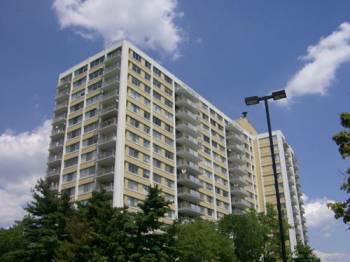 The majority of condos that are sold are existing condos. This is
neither an advantage or a disadvantage---simply a fact. The majority of
marketing materials and advertisements you will see for condos is for
new construction. This means that it is easier to find ads, pretty
pictures and floor plans for new condos.
One of the advantages of buying an existing condo is what you see is
what you get. There will be no surprises, good or bad. There will be no
change orders. You won't have to look at a model and a floorplan to
get an idea of what you are buying. Instead, you can tour the property
that you will actually buy.
You can move into an existing condo as soon as your loan and title
work are finished. There will be no construction delays. Construction
delays can be sizable and in today's market it is even possible for
the builder to fold-up shop before the project is completed.
The majority of condos that are sold are existing condos. This is
neither an advantage or a disadvantage---simply a fact. The majority of
marketing materials and advertisements you will see for condos is for
new construction. This means that it is easier to find ads, pretty
pictures and floor plans for new condos.
One of the advantages of buying an existing condo is what you see is
what you get. There will be no surprises, good or bad. There will be no
change orders. You won't have to look at a model and a floorplan to
get an idea of what you are buying. Instead, you can tour the property
that you will actually buy.
You can move into an existing condo as soon as your loan and title
work are finished. There will be no construction delays. Construction
delays can be sizable and in today's market it is even possible for
the builder to fold-up shop before the project is completed.




 The goal is to find the rental that suits all of your needs, most of your wants and fits your budget. What's the most effective choice to realize that goal? You can:
Do it yourself; or
Enlist the services of a rental agent.
If do it yourself, then you are in effect your own rental agent. That means you must rely on your own personal knowledge of the area and your own contacts to find your perfect rental. Of course, you could change your own oil, put in your own stitches and you could cut your own hair, too. The only difference is that you have pay for these services and a rental agent's services are
The goal is to find the rental that suits all of your needs, most of your wants and fits your budget. What's the most effective choice to realize that goal? You can:
Do it yourself; or
Enlist the services of a rental agent.
If do it yourself, then you are in effect your own rental agent. That means you must rely on your own personal knowledge of the area and your own contacts to find your perfect rental. Of course, you could change your own oil, put in your own stitches and you could cut your own hair, too. The only difference is that you have pay for these services and a rental agent's services are 






 pared me exactly what I needed and I was about to walk away from it! This only reinforces my belief that you should always do what is right.
If you do what is right, the universe, and God, will look out for you, providing exactly what you need exactly when you need it.
pared me exactly what I needed and I was about to walk away from it! This only reinforces my belief that you should always do what is right.
If you do what is right, the universe, and God, will look out for you, providing exactly what you need exactly when you need it.


