Entertainer's dream! Quintessential Old Town brick townhouse COMPLETELY redone 2013 w/modern open floor plan 1st level, large KIT. Quiet location w/charming front porch, expertly landscaped, refinished deck. Finished lower level w/extra living … [Read more]
4 beds, 3 full, 1 part baths
Home size: 1,634 sq.ft.
Lot Size: 1,869 sq.ft.
Added: 03/02/17, Last Updated: 03/02/2017
Property Type: Residential Attach/Row Hse for Sale
MLS Number: AX9875582
Subdivision: Old Town
Large home in Annandale
People love Annandale's great selection of restaurants and outstanding schools. Annandale is located in Fairfax County inside the Beltway near the West End of Alexandria. Much of Annandale is in the 22003 / Annandale VA zipcode. Annandale is an “Inside the Beltway” suburb offering a mix of affordable condos and townhouses, single-family homes and a few luxury residences. For an asking price of $795,000, you can call this home in Annandale yours. houses in Wakefield Forest can help a buyer make sense of real estate prices in Annandale.
Continue reading
9660 Masterworks Dr, Vienna, VA : $619,000
9660 Masterworks Dr is a 3 Bedroom Home in Vienna For $619,000.
townhouses at Country Creek is in Vienna 22181
RENOVATED and Conveniently located townhouse across from Oakton High School and across the street from Vienna Metro. Three bedrooms with 3.5 baths close to Downtown Vienna, Mosaic District, major roads and Tysons Corner. Eat in Kitchen that … [Read more]Continue reading
Are you checking out houses in Alexandria Virginia? How does this home at 905 Dewolfe Dr stack up against other houses in the 22308 Zipcode? The real estate market in Alexandria is one of the biggest in the country, but there are still reasons 905 Dewolfe Dr stand out from the rest.
Continue reading
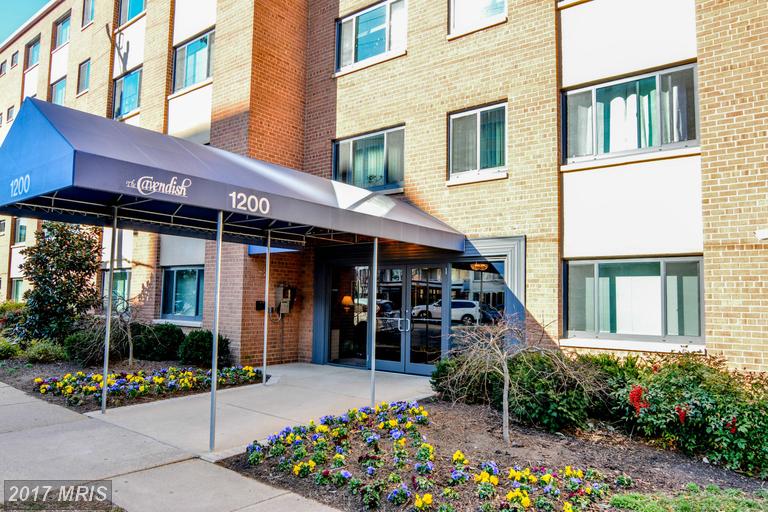
If you're looking to purchase in 22202, The Cavendish presents unusual real estate opportunities in the 22202 Zip code. Look below to find similarly sized condos in Arlington and compare prices.
2 beds, 1 full baths
Home size: 937 sq.ft.
Added: 02/21/17, Last Updated: 02/21/2017
Property Type: Residential Mid-Rise 5-8 Floors for Sale
MLS Number: AR9867390
Subdivision: The Cavendish
mid-rise condos at The Cavendish is in Arlington 22202
IMMACULATE**UPDATED**MOVE IN READY 2 BEDROOM CORNER UNIT WITHIN WALKING DISTANCE TO SPECTACULAR CRYSTAL CITY, METRO AND PENTAGON! COMPLETELY UPDATED KITCHEN, NEW APPLIANCES, GRANITE COUNTERS, STACKED TILE BACKSPLASH, BOSCH DISHWASHER, GLEAMING … [Read more]Continue reading
If you have recently purchased some real estate for investment purposes, you are in good company. Recent reports suggest that as many as 25% of these purchases are made by those who plan on using the property for investment purposes only. If you hope to "flip" the property there are 4 things you must be aware of that can put a crimp on your profits.Continue reading
Add a fence for privacy and distinction
Owning a home is an expensive proposition. There’s maintenance, landscaping, utilities, renovations, and, of course, taxes. It’s your civic duty to pay the latter, but it’s also your right not to yield a penny more than your fair share.
It’s possible to trim your property tax bill by appealing the assessed value of your home. But making a case against your real estate assessment, the basis for your property tax bill, requires doing a bit of homework. Initial research can be done online or by phone over two or three days, but the process can stretch out for months if you’re forced to file a formal appeal.
There are a few things to keep in mind as you weigh an appeal. The board can only lower your real estate assessment, not the rate at which you’re taxed. There’s also a chance, albeit slight, that your assessment could be raised, thus increasing your property taxes. A reduction in your assessment right before you put your house on the market could hurt the sale price. An easier route to savings might lie in determining if you qualify for property tax exemptions based on age, disability, military service, or other factors.
Read your assessment letter
A real estate assessment is conducted periodically by the local government to assign a value to your home for taxation purposes. An assessment isn’t the same as a private appraisal, and the assessed value of your home isn’t necessarily how much you could sell it for today. Real estate assessment letters are mailed to homeowners annually, or perhaps every two to three years, depending where you live.
The letter will include some information about your property, such as lot size or a legal description, as well as the assessed value of your house and land. Additional details—number of bedrooms, for example, or date of construction—can often be found in the property listing on your local government’s website. Your property tax bill will usually be calculated by multiplying your home’s assessed value by the local tax rate, which can vary from town to town.
If you think your home’s assessment is higher than it should be, challenge it immediately. The clock starts ticking as soon as the letter goes out. You generally have less than 30 days to respond, though the time frame varies not just between states, but within each state. Procedures are often outlined on the back of the letter.
Gather evidence
Start by making sure the assessment letter doesn’t contain any mistakes. Is the number of bathrooms accurate? Number of fireplaces? How about the size of the lot? There’s a big difference between “0.3 acres” and “3.0 acres.” If any facts are wrong, then you may have a quick and easy challenge on your hands.
Next, research your home’s value. Ask a real estate agent to find three to five comparable properties—“comps” in real estate jargon—that have sold recently. Alternatively, check a website like Smarthomeprice.com to find approximate values of comparable properties. The key is identifying properties that are very similar to your own in terms of size, style, condition, and location. If you’re willing to shell out between $350 and $600, you can hire a private appraiser to do the heavy lifting.
Once you identify comps, check the assessments on those properties. Most local governments maintain public databases. If yours doesn’t, seek help from an agent or ask neighbors to share tax information. If the assessments on your comps are lower, you can argue yours is too high. Even if the assessments are similar, if you can show that the “comparable” properties aren’t truly comparable, you may have a case for relief based on equity. Maybe your neighbor added an addition while you were still struggling to clean up storm damage. In that case, the properties are no longer equitable.
Present your case
Once you’re armed with your research, call your local assessor’s office. Most assessors are willing to discuss your assessment informally by phone. If not, or if you aren’t satisfied with the explanation, request a formal review. Pay attention to deadlines and procedures. There’s probably a form to fill out and specific instructions for supporting evidence. A typical review, which usually doesn’t require you to appear in person, can take anywhere from one to three months. Expect to receive a decision in writing.
If the review is unsuccessful, you can usually appeal the decision to an independent board, with or without the help of a lawyer. You may have to pay a modest filing fee, perhaps $10 to $25. If you end up before an appeals board, your challenge could stretch as long as a year, especially in large jurisdictions that have a high number of appeals. But homeowners do triumph. According to Guy Griscom, Assistant Chief Appraiser of the Harris County (Texas) Central Appraisal District, of the 288,800 protests filed in his Houston-area district in 2008, about 58% received reduced assessments.
How much effort you decide to put into a challenge depends on the stakes. The annual U.S. median property tax paid in 2008 was $1,897, or 0.96% of the median home value of $197,600. Lowering that assessed value by 15% would net savings of about $285.
This article provides general information about tax laws and consequences, but is not intended to be relied upon by readers as tax or legal advice applicable to particular transactions or circumstances. Readers should consult a tax professional for such advice, and are reminded that tax laws may vary by jurisdiction.
Luxury upgrades: Avoid trendy and frivolous renovation expenditures. Simple and relevant renovations are more likely to pay off in the long haul.
Amin & Will in Lowes
Garage conversion: Converting a garage to a family room can turn off potential home buyers. Some people want a garage and not a family room. Consider if you plan on selling in the future before you make the change.
Adding a swimming pool: Unless you live in a place that is warm year round, a pool might not the the best idea. Pool maintenance can prove to be very costly. Some home buyers will factor in this cost and decide to pass on your home. Also a pool runs the risk of being a liability for small children.
Bedroom conversion: Converting an office or master closet can deter a home-buyer. Some people prefer the home as it was built, without changes to the layout. If you are considering putting you home on the market, you might want to consider undoing these changes.
Making it too personal: Personalized fixtures, colors, finishes, and paint jobs might not be what the person considering buying your home likes. Neutral finishes, colors, and fixtures are a safe bet. Potential buyers might think your home needs renovation if your personalization is not to their liking.
Taylor, Jim. "Five Home Renovations That Negative Affect Resale Value." Five Home Renovations That Negative Affect Resale Value. Version 1. Realty Times, 25 Nov. 2013. Web. 9 Dec. 2013. <http://jimtaylor.realtytimes.com/advicefromagents1/item/26717-five-home-renovations-that-negative-affect-resale-value>.


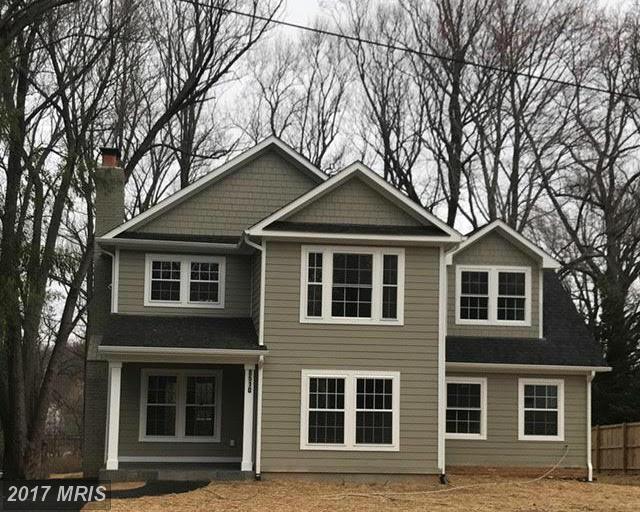


 Are you checking out houses in Alexandria Virginia? How does this home at 905 Dewolfe Dr stack up against other houses in the 22308 Zipcode? The real estate market in Alexandria is one of the biggest in the country, but there are still reasons 905 Dewolfe Dr stand out from the rest.